
Planning a Caribbean cruise but don’t have a passport? You may not need one—but it depends on the cruise you choose, your citizenship, your itinerary, and how you plan to travel.
For many U.S. citizens, certain Caribbean cruises can be taken without a passport if the cruise begins and ends at the same U.S. port. These are commonly called closed-loop cruises. However, “passport not required” does not mean “you can travel with no documentation.” You will still need the appropriate identification and citizenship documents, and there are situations where having a passport is strongly recommended—or required.
If you’re considering a Caribbean cruise, understanding the difference between a closed-loop and open-jaw or one-way itinerary can help you avoid an unpleasant surprise before your vacation even begins.
What Is a Closed-Loop Cruise?
A closed-loop cruise is generally a cruise that starts and ends at the same U.S. port.
For example, imagine you board a cruise ship in Miami, spend several days visiting destinations such as Jamaica, Grand Cayman, or the Bahamas, and then return to Miami at the end of the cruise. That is a typical closed-loop itinerary.
Under current U.S. travel-document rules, U.S. citizens traveling on qualifying closed-loop cruises may be able to sail without a passport. Instead, they can generally use proof of U.S. citizenship along with a government-issued photo ID.
However, cruise lines and individual countries can have their own requirements, so you should never assume that every Caribbean cruise has the same documentation rules.
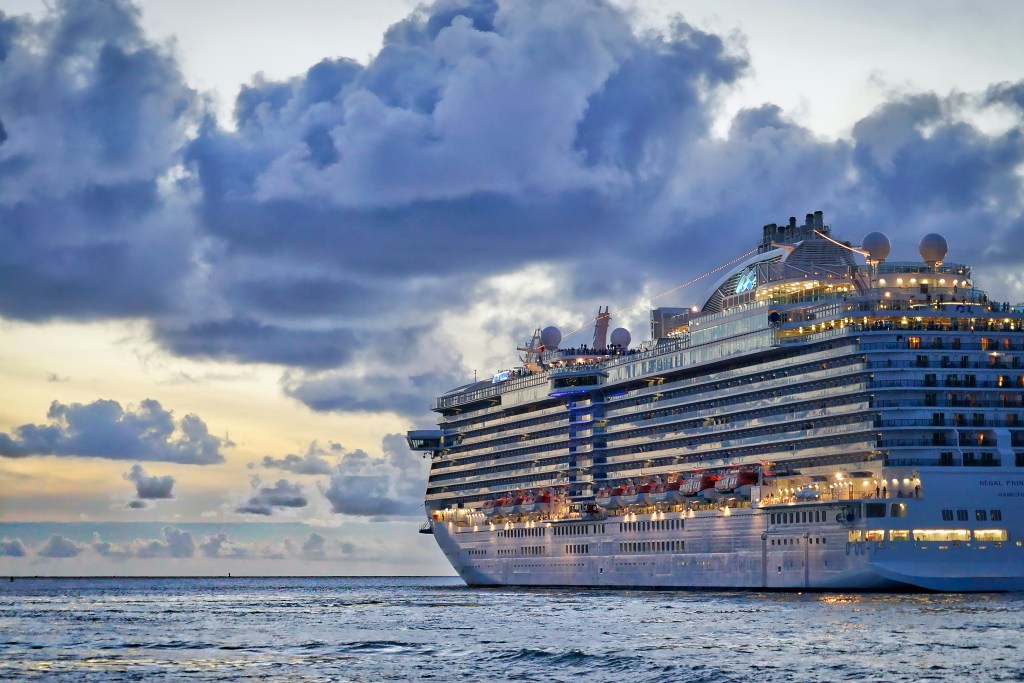
So, Can You Really Cruise Without a Passport?
Sometimes, yes.
For eligible U.S. citizens, a passport may not be required for a qualifying closed-loop cruise that departs from and returns to the same U.S. port.
Travelers may generally be able to use documents such as:
- A government-issued photo ID
- An original or certified copy of a birth certificate as proof of citizenship
- A Certificate of Naturalization
- Other documentation accepted under the applicable rules
If you are using a birth certificate, it’s important to make sure you have an acceptable version. A hospital souvenir birth certificate, for example, is not the same thing as an official birth certificate.
Your cruise line may also provide specific instructions regarding acceptable documentation, so always check its requirements before your sailing.
What Caribbean Destinations Can You Visit Without a Passport?
This is where things can become a little complicated.
Many popular Caribbean cruise destinations are included on itineraries that can qualify for the closed-loop exception. Depending on the itinerary, you might visit destinations such as:
- The Bahamas
- Jamaica
- Grand Cayman
- Cozumel, Mexico
- Puerto Rico
- St. Thomas
- St. Maarten
- Turks and Caicos
- The Dominican Republic
But the fact that a destination appears on a closed-loop cruise itinerary doesn’t automatically mean every traveler can visit it without a passport.
Cruise passengers need to meet both the requirements for entering the destination and the requirements for returning to the United States. The cruise line may also impose documentation requirements that are stricter than the minimum U.S. requirements.
That’s one reason it is important to look at your entire itinerary, rather than simply asking whether the Caribbean requires a passport.
What Happens If You Have an Emergency?
This is one of the biggest reasons travelers should consider getting a passport even when one isn’t technically required.
Imagine you’re on a Caribbean cruise and suddenly need to leave the ship before it returns to the United States. Perhaps you become seriously ill, need emergency medical treatment, or have a family emergency at home.
If you have to fly back to the United States from a foreign country, your travel-document situation can become much more complicated.
A passport is designed to make international air travel easier. Without one, you may face additional procedures before you can return to the United States.
For that reason, many experienced travelers prefer to have a passport even when they’re taking a cruise that technically allows them to travel without one.
Think of it as an additional layer of protection for your vacation.
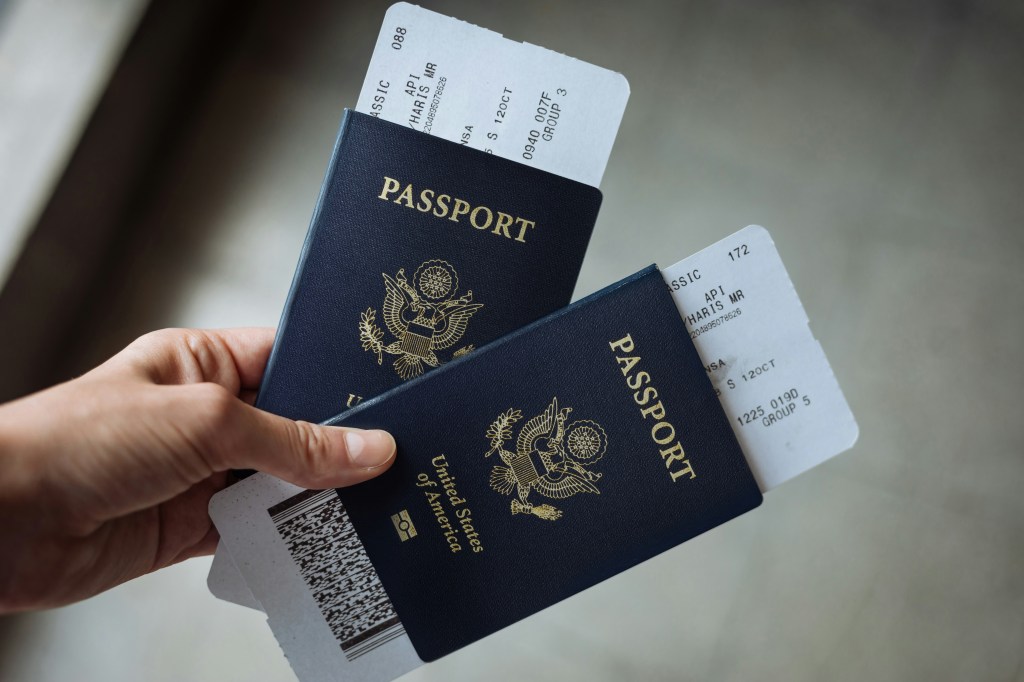
What About Flying to the Cruise Port?
Here’s another important consideration: how are you getting to the cruise?
Suppose you’re taking a closed-loop cruise from Miami and live in another state. You might think, “I don’t need a passport because it’s a closed-loop cruise.”
That’s not necessarily the whole story.
If you’re flying domestically to Miami, you will need acceptable identification for your flight. You don’t need a passport simply because you’re flying from one U.S. state to another, but you do need to meet current TSA identification requirements.
If you’re flying internationally to meet your cruise ship, however, passport requirements can become very different.
What If the Cruise Starts in One U.S. Port and Ends Somewhere Else?
This is another situation where you should expect different requirements.
A cruise that starts in Miami but ends in San Juan, Puerto Rico, for example, isn’t the same as a cruise that begins and ends in Miami.
One-way cruises, repositioning cruises, transatlantic sailings, and itineraries involving foreign embarkation or disembarkation ports can have different documentation requirements.
If your cruise doesn’t start and finish at the same U.S. port, don’t assume the closed-loop exception applies.
What If You Are Not a U.S. Citizen?
The rules discussed above are primarily for U.S. citizens.
If you are a permanent resident of the United States, a citizen of another country, or traveling on another type of immigration status, your documentation requirements may be different.
For example, permanent residents may need to carry their valid Permanent Resident Card along with other required documentation, while foreign nationals may need a passport and potentially visas depending on their nationality and the countries included in the itinerary.
If you’re traveling with a mixed group of U.S. citizens and non-U.S. citizens, make sure you look at each traveler’s documentation requirements individually.
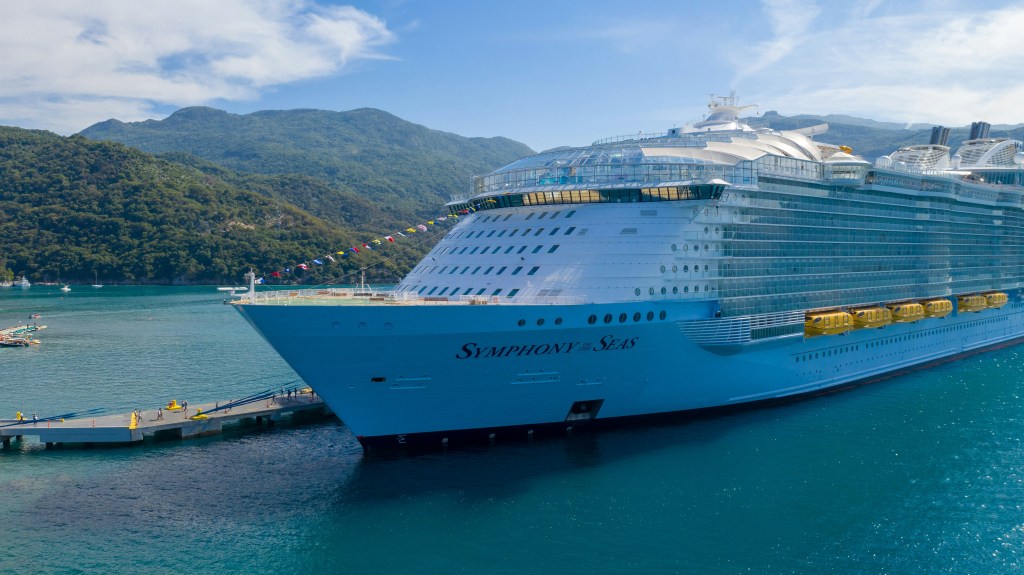
Should You Get a Passport Anyway?
If you don’t currently have a passport, you might be wondering whether it’s worth getting one if you’re taking a cruise where you don’t technically need it.
In many cases, yes.
A passport provides flexibility.
Maybe you decide to take another cruise next year that doesn’t qualify for the closed-loop exception. Maybe you want to add a few days at a resort before or after your cruise. Or maybe an unexpected situation requires you to fly home from a foreign country.
Having a passport can make those situations considerably easier to manage.
It can also eliminate some of the uncertainty that comes with figuring out which combination of documents you’ll need for your particular itinerary.
Don’t Wait Until the Last Minute to Check Your Documents
One of the biggest mistakes a traveler can make is waiting until a few days before departure to figure out whether their documents are acceptable.
Travel documentation requirements can vary depending on:
- Your citizenship
- Your cruise itinerary
- Your embarkation port
- Your disembarkation port
- The countries you visit
- Whether you’re flying internationally
- Your cruise line
- Your personal circumstances
And requirements can change.
Before your cruise, verify the current requirements with your cruise line and the appropriate government authorities. Your travel advisor can also help you understand what questions you should be asking when planning your trip.
A Travel Advisor Can Help You Choose the Right Cruise
The question isn’t simply, “Can I cruise the Caribbean without a passport?”
A better question is, “What documentation will I need for the specific cruise I’m considering?”
That’s because two Caribbean cruises can look very similar on the surface but have completely different documentation requirements based on where they begin and end.
Our travel advisors can help you compare itineraries, identify important travel-document considerations, and make sure you’re thinking about the entire trip—not just the cruise itself.
And if you don’t have a passport yet, your travel advisor at Cruise Planners—Cruises to Resorts can help you determine whether choosing a qualifying closed-loop cruise makes sense or whether getting a passport would give you more flexibility.

Ready to Set Sail?
Yes, U.S. citizens may be able to cruise the Caribbean without a passport when taking a qualifying closed-loop cruise that departs from and returns to the same U.S. port.
But that doesn’t mean every Caribbean cruise can be taken without a passport, and it doesn’t mean you should automatically leave your passport at home.
Your itinerary, citizenship, cruise line, transportation plans, and individual circumstances all matter.
Even when a passport isn’t required, having one can provide valuable flexibility if your plans change or you encounter an unexpected emergency while traveling.
Ready to start planning your next Caribbean cruise? Working with your travel advisors at Cruise Planners—Cruises to Resorts can help you find an itinerary that fits your vacation goals while making sure you understand the documentation and travel requirements before you set sail.


Leave a comment