• What Happens If Something Goes Wrong During My Trip? How a Travel Agent Can Help When the Unexpected Happens

    Planning a vacation is exciting. Whether you are counting down the days until your Caribbean cruise, dreaming about exploring Europe, or looking forward to relaxing at an all-inclusive resort, most travelers imagine everything going exactly as planned. Unfortunately, even the most carefully planned vacations can come with unexpected surprises.

    Flights get delayed, luggage goes missing, cruise departures are missed, hotels make booking mistakes, and sometimes illness or severe weather can interrupt even the best travel plans. While nobody wants to think about something going wrong during their vacation, knowing what to do when it happens can make a stressful situation much easier to handle.

    One of the biggest benefits of working with a travel agent is having someone in your corner when things don’t go according to plan. Instead of trying to figure everything out on your own, you have a knowledgeable professional who can help guide you through the situation and explore possible solutions.

    So, what actually happens if something goes wrong during your trip? Let’s look at some common travel problems, what you can do about them, and how a travel agent can help.
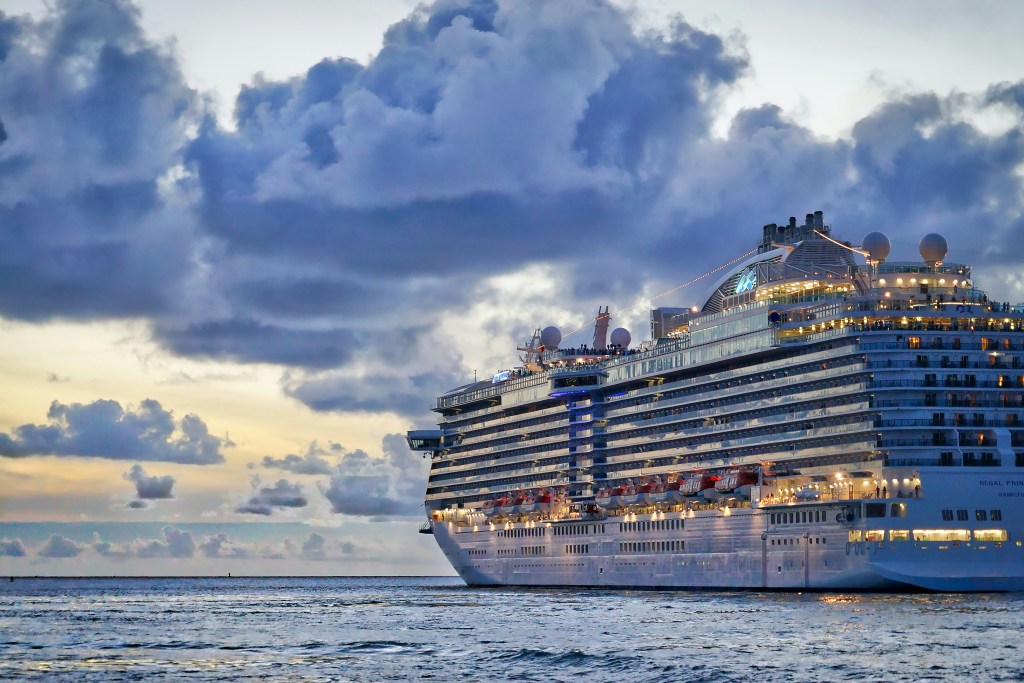
    đź“· Marina Juli (Unsplash)

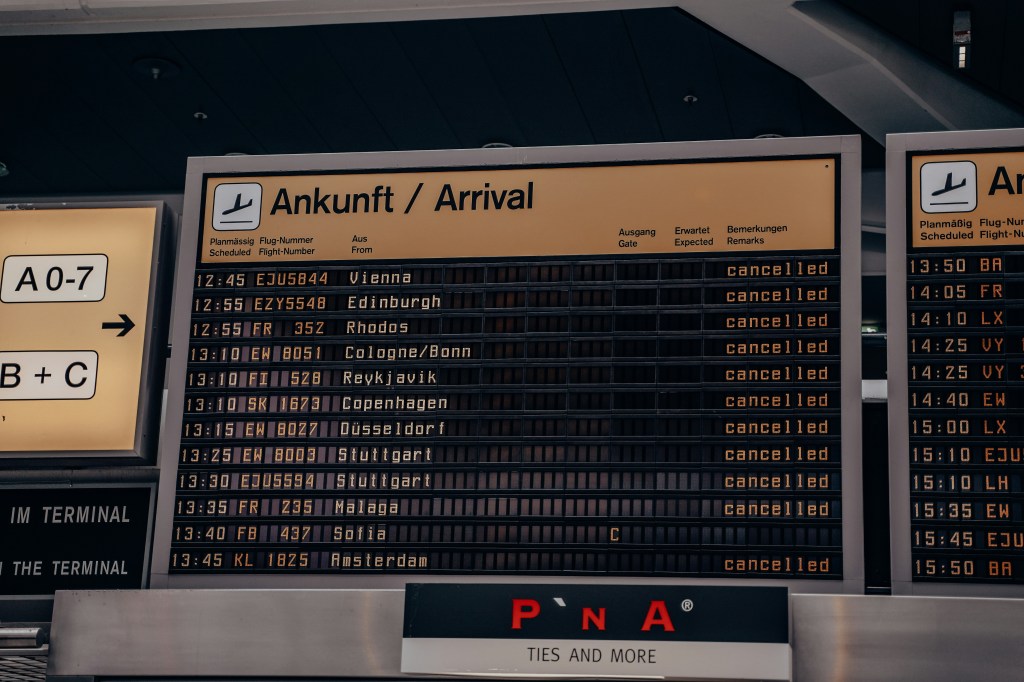
    What If My Flight Gets Delayed or Canceled?

    Flight delays and cancellations are among the most common travel disruptions. Weather, mechanical issues, staffing shortages, and airline scheduling problems can all affect your departure or arrival time.

    If your flight is delayed or canceled, the first thing you should do is contact your airline. Most airlines have customer service representatives available at the airport, through their mobile apps, or over the phone. Depending on the circumstances, the airline may be able to rebook you on another flight, offer alternative routing, or provide other assistance.

    If you booked your trip through a travel agent, reach out to them as well. Your agent can help you understand your options, coordinate with the airline when possible, and work through how the disruption may affect the rest of your itinerary.

    This is especially important if you have connecting flights, prepaid hotel reservations, scheduled excursions, or a cruise departure to catch. A delay that seems relatively minor at first can create a domino effect throughout your vacation.

    Keep in mind that airline compensation and assistance policies vary depending on the airline, the reason for the disruption, and the country where your trip originates or takes place. A travel agent can help you navigate the situation, but the airline remains responsible for its own flight operations and applicable obligations.

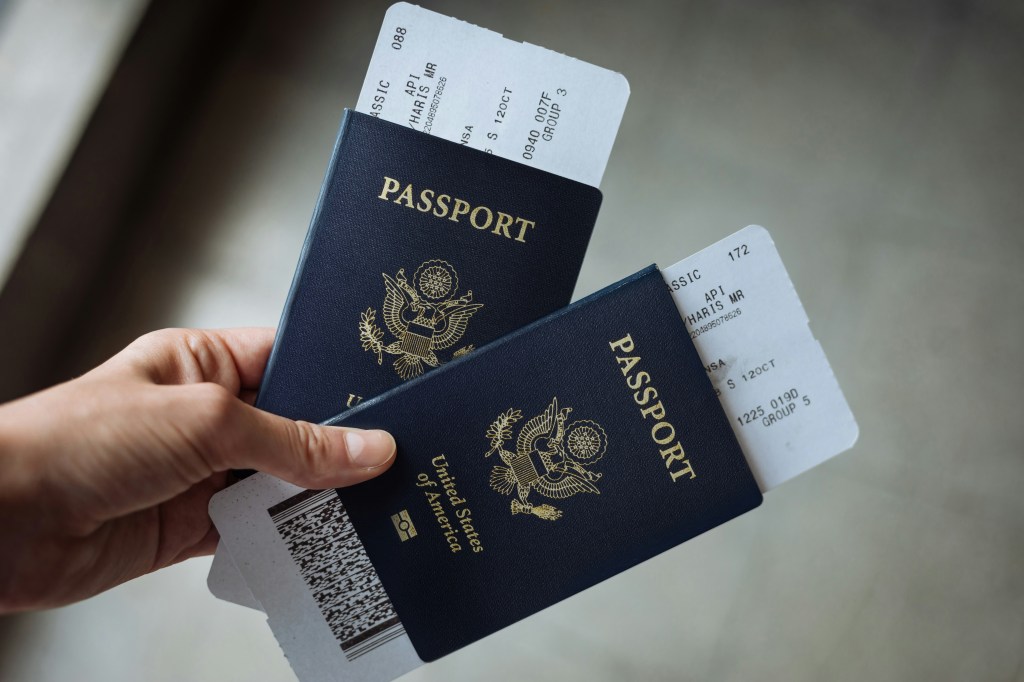
    đź“· Ante Hamersmit (Unsplash)

    What If My Luggage Gets Lost or Delayed?

    Few things are more frustrating than arriving at your destination only to discover your luggage didn’t make it with you.

    If your checked baggage is missing, report it to the airline’s baggage service office before leaving the airport. Make sure you receive a reference or tracking number and provide accurate contact information so the airline can reach you when your luggage is located.

    Here are a few additional tips:

    • Keep your baggage claim tickets until your luggage has been returned.
    • Take pictures of your suitcase before traveling.
    • Pack medications, important documents, valuables, and essential items in your carry-on.
    • Keep receipts for necessary purchases if you need to buy clothing or toiletries while waiting for your luggage.
    • Check your travel insurance policy to see whether delayed or lost baggage expenses are covered.

    Your travel agent can help you understand whom to contact and whether your travel insurance may provide reimbursement for eligible expenses.

    A little preparation before departure can also make this situation easier. Packing a change of clothes and basic necessities in your carry-on can make a big difference if your checked luggage takes an extra day or two to arrive.

    What If I Miss My Connecting Flight?

    Missing a connecting flight can be stressful, particularly when you are traveling internationally or have a tight connection.

    If your first flight is delayed and you miss a connecting flight on the same ticket, the airline will generally assist with rebooking according to its policies and applicable regulations. However, if you booked separate tickets with different airlines, the situation can become more complicated.

    You may be responsible for purchasing a new ticket if the second airline considers you a no-show.

    This is one reason experienced travel agents often recommend allowing enough time between connections, especially when traveling internationally or checking luggage.

    If you find yourself in this situation, contact the airline immediately. Your travel agent can also help review your itinerary and determine what other arrangements may need to change.
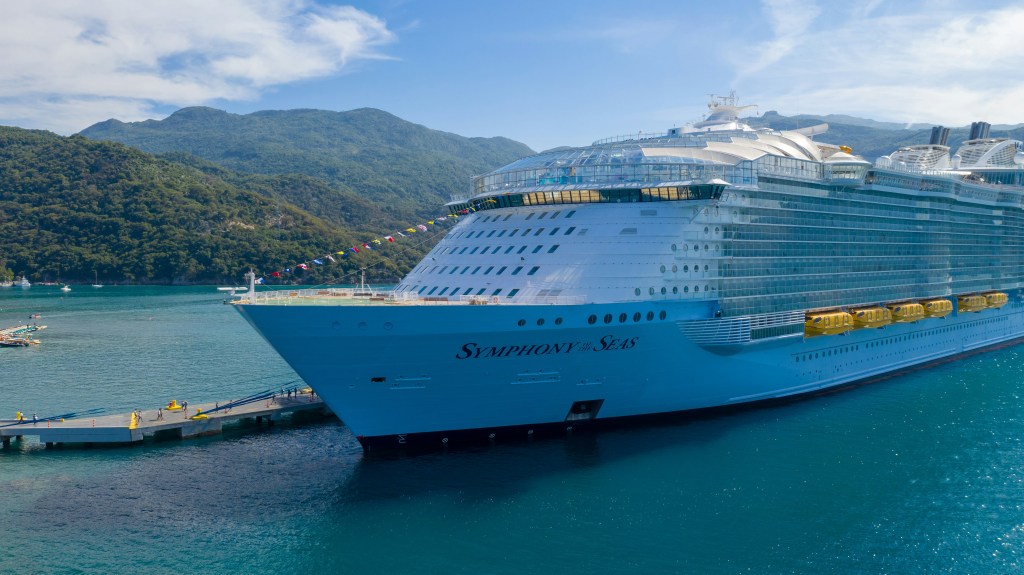
    đź“· Jake Lusvardi (Unsplash)

    What If I Miss My Cruise Departure?

    Missing your cruise departure is one of the most stressful travel problems a cruise passenger can experience.

    Cruise ships operate on strict schedules, and they generally cannot wait for passengers who arrive late. If you miss the ship because your independently arranged flight was delayed, you may have to make arrangements and pay for transportation to meet the ship at another port, if that is possible.

    Some cruise lines offer assistance or protection when passengers book qualifying air arrangements through their cruise air programs, but the terms and coverage vary.

    To reduce your chances of missing your cruise:

    • Arrive at your departure city at least one day before your cruise whenever possible.
    • Consider booking flights through your cruise line or a travel agent familiar with cruise travel.
    • Avoid scheduling flights that arrive just a few hours before embarkation.
    • Purchase travel insurance that may cover eligible missed-connection or travel-delay expenses.
    • Keep your cruise documents and emergency contact information accessible.

    If something happens and you cannot make it to the ship, contact your travel agent and cruise line immediately. Your agent can help you understand your options and determine whether meeting the ship at another port is possible.

    What If Something Goes Wrong at My Hotel or Resort?

    Sometimes the unexpected happens after you have already arrived at your destination.

    Maybe your hotel room isn’t what you expected, your reservation cannot be located, the resort is overbooked, or an important amenity is unavailable.

    Your first step should be to speak with the hotel’s front desk or management team. Explain the issue clearly and politely, and give the property an opportunity to resolve it.

    If the problem isn’t addressed, document what happened. Take pictures when appropriate, save receipts, and keep copies of any written communication.

    This is another situation where having a travel agent can be helpful. Your agent may be able to contact the hotel, resort, or supplier representative to help communicate your concerns and request a reasonable resolution.

    While a travel agent cannot guarantee that a hotel will provide a particular room or refund, having someone familiar with the travel supplier and booking details can make the process easier.

    What If I Get Sick or Have a Medical Emergency While Traveling?

    Getting sick while on vacation is never part of the plan, but medical emergencies can happen anywhere.

    Before traveling, research the medical facilities available at your destination and understand how your health insurance works outside your home country. Many domestic health insurance plans offer limited or no international coverage.

    Travel medical insurance can be especially valuable when traveling internationally. Depending on the policy, it may cover eligible emergency medical expenses, hospital stays, emergency transportation, and medical evacuation.

    If you experience a medical emergency, seek appropriate medical attention immediately. Contact your insurance provider’s emergency assistance number as soon as practical so they can explain covered services and help coordinate care.

    If you are traveling with a group or family, make sure someone has access to important medical information, emergency contacts, and insurance documents.

    Your travel agent can help you locate the appropriate travel insurance information and contact the necessary travel suppliers if your medical situation requires changes to your itinerary.

    đź“· Flo Plouch (Unsplash)

    What If Severe Weather or a Natural Disaster Disrupts My Vacation?

    Hurricanes, snowstorms, wildfires, earthquakes, and other natural disasters can affect travel plans with little warning.

    Depending on the situation, flights may be canceled, cruise itineraries may change, resorts may temporarily close, or transportation may become unavailable.

    If severe weather affects your trip, prioritize your safety and follow instructions from local authorities, airlines, cruise lines, and hotel management.

    Your travel agent can help communicate with suppliers, review possible itinerary changes, and determine what options are available for rebooking or canceling.

    It is important to understand that weather-related disruptions do not automatically guarantee a refund. Your rights and options depend on the supplier’s policies, applicable regulations, and the terms of your travel insurance.

    For example, a cruise line may change ports of call or substitute destinations because of weather conditions. While this can be disappointing, itinerary changes are sometimes necessary to protect passengers and crew.

    Why Travel Insurance Is So Important

    If there is one thing travelers should consider before leaving home, it is travel insurance.

    Many people assume their regular health insurance, credit card benefits, or airline policies will cover unexpected travel expenses. Unfortunately, that isn’t always the case.

    Travel insurance can offer protection against certain unexpected situations, depending on the policy selected.

    Common coverage options include:

    • Trip cancellation: Reimbursement for eligible prepaid, nonrefundable expenses when a covered reason forces you to cancel before departure.
    • Trip interruption: Coverage for certain unused trip expenses and additional transportation costs if a covered event forces you to end your trip early.
    • Travel delays: Reimbursement for eligible meals, accommodations, and other expenses when a covered delay occurs.
    • Emergency medical expenses: Coverage for qualifying medical treatment while traveling.
    • Emergency medical evacuation: Assistance and coverage for eligible transportation to an appropriate medical facility.
    • Baggage protection: Coverage for certain lost, stolen, damaged, or delayed baggage expenses.

    Not every policy covers every situation. Preexisting medical conditions, supplier financial defaults, weather events, and other circumstances may have specific exclusions or requirements.

    The best time to purchase travel insurance is typically shortly after making your initial trip deposit, especially if you want access to time-sensitive benefits that may be included in certain policies.

    Your travel agent can help you compare available options and understand what protection makes sense for your vacation.

    How Does a Travel Agent Help When Something Goes Wrong?

    One of the most valuable reasons to work with a travel agent is having someone to contact when unexpected situations arise.

    When you book everything yourself, you are generally responsible for contacting airlines, hotels, cruise lines, tour operators, and insurance companies individually. That can become overwhelming when you are dealing with multiple disruptions at once.

    When you work with a travel agent, you have a professional who understands your itinerary and can help you determine which suppliers need to be contacted.

    Depending on the situation, your travel agent may be able to:

    • Help you contact airlines, hotels, cruise lines, and tour operators.
    • Assist with finding alternative flights or accommodations.
    • Help coordinate changes to your travel itinerary.
    • Explain supplier cancellation and rebooking policies.
    • Provide guidance on filing travel insurance claims.
    • Help communicate with travel suppliers when reservations or services are not as expected.
    • Offer support and guidance when unexpected situations arise.

    It is important to remember that travel agents cannot control the weather, guarantee airline availability, override supplier policies, or resolve every issue immediately. They also may not be able to assist with changes made directly through a supplier without their involvement.

    However, having someone familiar with your vacation who can help you navigate the situation can be incredibly reassuring.

    Instead of spending your vacation trying to figure out whom to call and what to do next, you have someone who can help point you in the right direction.

    📷 Anete Lūsina (Unsplash)

    How Can I Prepare for the Unexpected Before My Trip?

    While nobody can prevent every travel problem, there are several things you can do before departure to make unexpected situations easier to manage.

    1. Keep digital and printed copies of important documents.

    Save copies of your passport, travel insurance information, hotel confirmations, flight details, cruise documents, and emergency contacts. Keep them somewhere accessible in case your phone battery dies or you lose access to your email.

    2. Purchase appropriate travel insurance.

    Review your coverage before departure and make sure you understand what is included, what is excluded, and how to contact the assistance provider.

    3. Download airline and cruise line apps.

    These apps can provide important updates about flight delays, gate changes, itinerary adjustments, and other travel announcements.

    4. Keep emergency funds available.

    Having access to an emergency credit card or additional funds can help cover unexpected expenses while waiting for a resolution or insurance reimbursement.

    5. Share your itinerary with someone at home.

    Make sure a trusted family member or friend knows where you are staying and how to reach you in an emergency.

    6. Save your travel agent’s contact information.

    Before leaving, make sure you know how to reach your travel agent and understand their availability and emergency support procedures.

    Travel With Confidence, Even When Things Don’t Go According to Plan

    No matter how carefully you plan your vacation, unexpected situations can happen. Flights may be delayed, luggage may go missing, weather may change your itinerary, or an illness may interrupt your plans.

    The good news is that you don’t have to navigate every travel problem alone.

    Working with a travel agent gives you an experienced resource who can help you understand your options, communicate with travel suppliers, and work through unexpected challenges. Combine that support with appropriate travel insurance and a little preparation, and you can travel with greater confidence knowing you have a plan if something goes wrong.

    At Cruise Planners—Cruises to Resorts, we believe your vacation should be about enjoying the experience, making memories, and exploring the world—not spending your valuable time trying to solve travel problems.

    When you work with a travel professional, you gain more than help booking flights, hotels, and cruises. You gain a knowledgeable partner who can help you prepare for the unexpected and guide you when plans need to change.

    Ready to plan your next getaway? Let Cruise Planners—Cruises to Resorts help you plan your vacation, prepare for the unexpected, and travel with confidence!


  • Sandals vs. Beaches Resorts: What’s the Difference and Which One Is Right for You?

    If you’ve been researching Caribbean all-inclusive vacations, chances are you’ve come across two popular names: Sandals Resorts and Beaches Resorts. Both are known for beautiful beachfront locations, luxurious accommodations, incredible dining, and all-inclusive vacation experiences. But while they share many similarities, they are designed for two very different types of travelers.

    So, what’s the difference between Sandals and Beaches Resorts? And more importantly, which one is the better choice for your next Caribbean getaway?

    đź“· Sandals

    Sandals Resorts: The Ultimate Adults-Only Escape

    If you’re dreaming of a romantic Caribbean getaway without the distractions of everyday life, Sandals Resorts might be exactly what you’re looking for.

    Sandals Resorts are designed exclusively for adults, with a focus on couples, romance, relaxation, and luxury. Whether you’re celebrating a honeymoon, anniversary, birthday, or simply want some quality time together, Sandals provides an atmosphere where couples can enjoy a vacation centered around each other.

    One of the biggest attractions of Sandals is its adults-only environment. You won’t find children running around the pools or waterparks. Instead, you’ll discover romantic beachfront settings, swim-up bars, beautiful swimming pools, and plenty of opportunities to unwind.

    What Makes Sandals Resorts Special?

    Sandals offers a Luxury Included® vacation experience, meaning many of the things you would normally pay extra for at other resorts are already included in your vacation package.

    Depending on the resort, inclusions can include:

    • Unlimited dining at specialty restaurants.
    • Premium liquors and wines.
    • Unlimited cocktails and nonalcoholic beverages.
    • Land and water sports.
    • Snorkeling and other water activities.
    • Scuba diving for certified divers at participating resorts.
    • Entertainment and nightly activities.
    • Round-trip airport transfers.
    • Taxes, tips, and gratuities.

    Sandals also offers a variety of accommodations designed to make your stay extra special. Depending on the property, you may find swim-up suites, private plunge pools, beachfront rooms, Rondoval suites, and even over-the-water bungalows.

    For couples looking for an elevated experience, select accommodations offer Butler Elite service, providing personalized attention throughout your stay.

    Sandals is especially popular for honeymoons, destination weddings, anniversaries, and romantic celebrations. However, you don’t need a special occasion to enjoy an adults-only vacation!

    đź“· Beaches

    Beaches Resorts: A Caribbean Vacation for the Whole Family

    While Sandals focuses on couples, Beaches Resorts takes the luxury all-inclusive experience and makes it family-friendly.

    Beaches Resorts are designed for families traveling with children of all ages. Whether you’re traveling with toddlers, teenagers, grandparents, or multiple generations of family members, Beaches offers something for everyone.

    The goal is to create a vacation where parents can relax while children have plenty of opportunities to play, explore, and make memories.

    Unlike Sandals, Beaches features family-friendly pools, exciting waterparks, supervised children’s programs, and activities designed specifically for younger travelers.

    What Makes Beaches Resorts Special?

    Beaches Resorts also follows the Luxury Included® vacation concept. Families can enjoy many of the same types of inclusions found at Sandals, with additional amenities designed around children and family activities.

    Depending on the resort, inclusions and amenities can include:

    • Unlimited dining at specialty restaurants.
    • Premium beverages for adults.
    • Land and water sports.
    • Snorkeling and water activities.
    • Scuba diving for certified divers at participating resorts.
    • Supervised kids’ programs.
    • Teen activities and entertainment.
    • Waterparks with slides, splash zones, and lazy rivers.
    • Sesame Street® character experiences.
    • Round-trip airport transfers.
    • Taxes, tips, and gratuities.

    One of the biggest highlights of Beaches is its incredible waterparks. Kids can spend hours enjoying waterslides, splash areas, and lazy rivers while parents enjoy some time relaxing by the pool or beach.

    Beaches also offers supervised children’s programs for different age groups, giving parents the opportunity to enjoy some adult time while knowing their children are participating in age-appropriate activities.

    For families who want a vacation where everyone has something to look forward to, Beaches is an excellent option.

    đź“· Sandals

    Sandals vs. Beaches: The Biggest Differences

    Although both brands share the same parent company, Sandals Resorts International, there are several differences worth understanding before booking.

    1. Who Can Stay at the Resorts?

    This is the biggest difference between the two brands.

    Sandals Resorts are adults-only and designed for couples. Guests must meet the resort’s minimum age requirements, which are generally 18 and older.

    Beaches Resorts welcome guests of all ages, making them the better choice for families traveling with children.

    If you’re planning a romantic getaway without children, Sandals is worth considering. If you’re bringing the kids along, Beaches is the brand to explore.

    2. Activities and Entertainment

    Both brands offer plenty of activities, but their entertainment options are designed around different audiences.

    At Sandals, you’ll find romantic entertainment, live music, themed parties, water sports, pool activities, and opportunities to relax together.

    At Beaches, the entertainment is designed to appeal to the entire family. Children can enjoy character experiences, kids’ clubs, waterparks, and age-appropriate activities, while adults can still enjoy many of the same dining, entertainment, and relaxation options available at Sandals.

    3. Dining and Restaurants

    Food is an important part of any all-inclusive vacation, and both brands offer a variety of dining experiences.

    Sandals features specialty restaurants serving different types of cuisine, from Italian and French-inspired dishes to Caribbean favorites, seafood, and more.

    Beaches offers a similar variety of dining options, but with additional family-friendly choices for younger travelers.

    Both brands allow guests to enjoy multiple restaurants throughout their stay without paying an additional charge for included dining experiences.

    4. Accommodations

    Both Sandals and Beaches offer a range of accommodations, from standard rooms to luxurious suites.

    Sandals is particularly known for its romantic accommodations, including private plunge pools, swim-up suites, over-the-water bungalows, and rooms with Butler Elite service at select resorts.

    Beaches focuses on family-friendly accommodations, with room configurations and suites designed to accommodate parents and children traveling together. Some properties offer larger suites that work especially well for multigenerational vacations.

    The best room choice depends on your group size, budget, and the type of experience you’re looking for.

    5. Resort Atmosphere

    The overall atmosphere is another important consideration.

    Sandals tends to offer a more romantic, adult-oriented environment. Some resorts are lively and social, while others provide a quieter atmosphere for couples who want to relax.

    Beaches is generally more energetic and family-oriented. With children enjoying the pools, waterparks, and daily activities, the atmosphere is naturally more active.

    Neither experience is necessarily better than the other. It simply depends on what you want from your vacation.

    đź“· Beaches

    Are Sandals and Beaches Resorts Equally All-Inclusive?

    Yes! Both brands are known for their Luxury Included® vacation experience.

    While the specific inclusions can vary by property, both offer extensive dining, beverages, activities, and entertainment as part of the vacation experience.

    At both brands, you can enjoy many of the amenities without constantly reaching for your wallet.

    However, it’s important to remember that not absolutely everything is included. Spa treatments, off-property excursions, certain private experiences, and some premium services may carry additional costs.

    Before booking, it’s always a good idea to review the inclusions for your specific resort and room category.

    đź“· Sandals

    Which Is More Expensive: Sandals or Beaches?

    This is a question many travelers ask, and the answer isn’t always straightforward.

    The cost of your vacation depends on several factors, including:

    • Which island you choose.
    • Your travel dates.
    • How many people are traveling.
    • Your room or suite category.
    • The length of your stay.
    • Available promotions and special offers.

    Beaches vacations can have a higher overall price because you’re booking accommodations for multiple people rather than just two adults. However, the cost of a Beaches vacation also includes many activities and amenities that families might otherwise pay for separately.

    Sandals can offer excellent value for couples who want a luxurious adults-only vacation with dining, drinks, activities, and entertainment included.

    The best way to compare prices is to look at the complete vacation cost rather than simply comparing nightly room rates.

    Can You Visit Sandals and Beaches on the Same Vacation?

    If you’re planning a longer Caribbean getaway, you might wonder whether you can experience both brands during the same trip.

    In some destinations, it may be possible to arrange a split stay, spending part of your vacation at one property and the remainder at another.

    However, this depends on resort locations, transportation arrangements, availability, and your travel dates.

    For example, families might enjoy a Beaches vacation together before planning a separate adults-only getaway at Sandals for a future anniversary or romantic celebration.

    Having access to both brands gives travelers flexibility as their vacation needs change over time.

    đź“· Beaches

    So, Which Resort Brand Should You Choose?

    Ultimately, choosing between Sandals and Beaches comes down to the type of vacation you want.

    Choose Sandals Resorts if:

    • You’re planning a honeymoon or romantic getaway.
    • You want an adults-only vacation.
    • You’re celebrating an anniversary or special occasion.
    • You enjoy luxurious accommodations and personalized service.
    • You want a relaxing vacation without children’s activities and entertainment.

    Choose Beaches Resorts if:

    • You’re planning a family vacation.
    • You’re traveling with children of different ages.
    • You want access to waterparks and kids’ clubs.
    • You’re planning a multigenerational vacation.
    • You want a resort where adults and children can enjoy activities together.

    Both brands offer beautiful Caribbean destinations, exceptional all-inclusive experiences, and plenty of opportunities to create unforgettable vacation memories.

    đź“· Sandals

    Let Us Help You Find Your Perfect Caribbean Getaway!

    Whether you’re dreaming of a romantic escape at Sandals or planning an unforgettable family vacation at Beaches, choosing the right resort can make all the difference.

    With multiple destinations, resort styles, room categories, and vacation packages to consider, finding the perfect match can feel overwhelming. That’s where working with a travel advisor can help.

    At Cruise Planners—Cruises to Resorts, we can help you compare Sandals and Beaches properties, explore available promotions, find accommodations that fit your needs, and make sure you’re getting the vacation experience you’re looking for.

    You shouldn’t have to spend hours researching resorts and comparing vacation packages. Let us help take the stress out of planning so you can focus on what really matters: enjoying your time in paradise!

    Ready to start planning your next Caribbean vacation? Contact Cruise Planners—Cruises to Resorts today, and let’s find the perfect resort for you!

  • Do Travel Agents Handle Group Travel Planning? Here’s Everything You Need to Know

    Planning a trip is exciting, but planning a trip for a group of people can quickly become overwhelming. Whether you’re organizing a family reunion, a destination wedding, a milestone birthday celebration, a corporate retreat, or a group cruise, coordinating travel for multiple people comes with plenty of moving parts. From finding accommodations and comparing prices to managing payments and keeping everyone on the same schedule, group travel requires more organization than a typical vacation.

    So, do travel agents handle group travel planning? Absolutely! Travel agents can help coordinate group vacations from start to finish, making the process easier for the organizer and more enjoyable for everyone involved.

    Whether your group includes ten people or fifty, working with a travel agent at Cruise Planners—Cruises to Resorts can help simplify the planning process, reduce stress, and make it easier to create a memorable experience for everyone.

    What Is Group Travel Planning?

    Group travel planning involves organizing a trip for multiple travelers who are traveling together to the same destination or participating in the same vacation experience. Depending on the size and purpose of the trip, group travel can involve everything from booking flights and hotel rooms to coordinating transportation, excursions, meals, and special activities.

    Some common types of group travel include:

    • Family reunions: Bring relatives together for a beach vacation, cruise, or getaway to a favorite destination.
    • Destination weddings: Coordinate accommodations, transportation, and travel details for the wedding couple and their guests.
    • Group cruises: Help friends, families, clubs, and organizations enjoy a cruise together.
    • Corporate retreats: Organize business trips, team-building activities, conferences, and company getaways.
    • Friends’ trips: Plan birthday celebrations, girls’ getaways, bachelor and bachelorette parties, and other group adventures.
    • Educational and special-interest tours: Coordinate travel for school groups, hobby clubs, cultural organizations, and other groups with shared interests.

    Each type of group trip has different needs, and a travel agent can help determine the best approach based on your group’s size, budget, destination, and priorities.

    đź“· Juan Encalada (Unsplash)

    How Can a Travel Agent Help With Group Travel?

    One of the biggest advantages of working with a travel agent is having someone who can help coordinate the details. Instead of managing every reservation and answering every question yourself, you have a knowledgeable professional helping guide the process.

    Here are some of the ways a travel agent can make group travel planning easier.

    1. Finding the Right Destination and Travel Experience

    The first step in planning a group trip is deciding where to go and what kind of experience everyone wants.

    That sounds simple until you consider how different everyone’s preferences can be. Some travelers may want a relaxing beach vacation, while others prefer sightseeing, adventure activities, or exploring a new city. Budget differences can also make it challenging to find an option that works for everyone.

    A travel agent can help narrow down the choices by considering your group’s interests, travel dates, budget, and priorities.

    For example, an all-inclusive resort might be ideal for a group that wants meals, drinks, activities, and accommodations in one place. A cruise could be perfect for a multigenerational family because it offers entertainment, dining, and destinations for different ages and interests. A guided tour might be better for a group interested in history, culture, and sightseeing.

    Rather than spending hours researching dozens of options, you can get recommendations tailored to your group.

    2. Coordinating Accommodations and Group Reservations

    Finding accommodations for a group can be more complicated than booking a single hotel room. You may need multiple rooms, connecting accommodations, accessible rooms, suites, or special arrangements for families traveling with children.

    A travel agent can help identify suitable properties and coordinate room reservations based on availability and your group’s needs.

    For larger groups, hotels, resorts, cruise lines, and tour operators may offer group booking programs with specific terms and benefits. Depending on the supplier, destination, group size, and travel dates, these arrangements may provide negotiated rates, group amenities, or other advantages.

    However, group rates and benefits are not guaranteed to be less expensive than individual bookings. Your travel agent can help compare the available options and explain the terms before you commit.

    If you’re planning a cruise, an agent may also help coordinate a group reservation so everyone can enjoy the same sailing while understanding the available cabin categories, dining arrangements, and onboard options.

    3. Managing Payments and Deadlines

    Money is often one of the most challenging parts of organizing group travel.

    Some travelers want to pay everything upfront, while others prefer installments. Certain people may confirm immediately, while others need more time to decide. Meanwhile, suppliers have deposit deadlines, final payment dates, cancellation policies, and other requirements that must be followed.

    A travel agent can explain these deadlines and help communicate the payment process to the group.

    Depending on the booking arrangement, travelers may be able to make their own payments directly to the travel supplier or through an authorized booking process. This can reduce the need for one person to collect money from everyone and manage a complicated spreadsheet of expenses.

    Your agent can also help explain what happens if someone cancels, joins the group late, or needs to change their reservation.

    Keep in mind that payment arrangements vary by supplier. Some group bookings require deposits for each traveler, minimum room commitments, or other financial obligations. Understanding those details before booking is essential.

    4. Helping the Group Stay Organized

    Group trips involve plenty of communication. Travelers need to know when payments are due, what is included in the package, which documents are required, and when they need to arrive.

    A travel agent can help keep important information organized and provide guidance throughout the planning process.

    Depending on the trip, this may include sharing booking confirmations, outlining travel deadlines, explaining baggage policies, reviewing travel insurance options, and providing information about transportation and excursions.

    For the group organizer, having one knowledgeable point of contact can make a significant difference.

    Instead of trying to answer every question about airline baggage allowances or resort check-in procedures, you can direct travelers to the appropriate information and focus on enjoying the experience yourself.

    5. Arranging Transportation, Excursions, and Activities

    Getting everyone to the destination is only one part of the planning process. Once the group arrives, you may also need airport transfers, transportation between hotels and venues, sightseeing tours, restaurant reservations, or special activities.

    A travel agent can help coordinate these arrangements when available through the relevant suppliers.

    For example, a family reunion at an all-inclusive resort might include airport transfers and a private group excursion. A destination wedding may require transportation between the hotel and wedding venue. A group cruise could include pre-cruise hotel accommodations, transfers to the port, and shore excursions.

    Booking these arrangements in advance can help reduce confusion and make it easier for everyone to participate.

    For larger groups, availability can be especially important. Popular tours, private transportation, and specialty activities may have limited capacity, so planning ahead gives your agent more opportunities to explore suitable options.

    6. Helping Navigate Changes and Unexpected Problems

    Even the best-planned vacation can encounter unexpected changes. Flights can be delayed, travelers can become ill, weather can disrupt activities, and personal circumstances can force someone to cancel.

    When you’re coordinating a group, one change can affect multiple reservations and schedules.

    A travel agent can help explain your options, communicate with suppliers, and assist with eligible changes or rebooking requests, depending on the booking terms and the agent’s services.

    It is important to understand that a travel agent cannot control airline decisions, guarantee refunds, or override supplier policies. However, having a professional who understands the arrangements and knows whom to contact can be valuable when plans change.

    For additional protection, travelers should also consider suitable travel insurance and review what the policy covers, including any applicable exclusions and restrictions.

    đź“· Jametlene Reskp (Unsplash)

    Can Travel Agents Get Special Deals for Groups?

    This is one of the most common questions people ask when planning a group vacation.

    The answer is that group travel can come with special rates or benefits, but the savings depend on the trip and supplier.

    Hotels, resorts, cruise lines, tour operators, and other travel providers may offer group rates or incentives when certain requirements are met. Examples may include:

    • Discounted rates for qualifying group reservations.
    • Complimentary amenities or special group experiences.
    • Private event spaces or group dining arrangements.
    • Coordinated excursions or transportation.
    • Potential cruise group amenities or credits, subject to the applicable program terms.

    Not every supplier offers these benefits, and some incentives require a minimum number of paying travelers or booked rooms. Group contracts may also include attrition requirements, deadlines, or cancellation penalties.

    An experienced travel agent can help you compare group arrangements with individual bookings to determine which option provides the best overall value.

    Remember that the lowest advertised price is not always the best deal. Having the right accommodations, convenient transportation, clear payment terms, and support throughout the process can be just as important.

    How Many People Do You Need for Group Travel?

    There is no single group size that applies to every type of trip.

    Some suppliers offer group programs for relatively small parties, while others require a minimum number of rooms, cabins, or paying travelers. Cruise lines, hotels, resorts, and tour operators each establish their own rules.

    For some vacations, a group of eight or ten people may be enough to explore group booking options. Other programs may require a larger party to qualify for particular rates or amenities.

    You do not necessarily need a huge group to benefit from a travel agent’s assistance. Even a small group of friends or an extended family traveling together may appreciate having help coordinating reservations and travel details.

    The best approach is to tell your travel agent approximately how many people are interested, whether children will be traveling, and what type of experience you’re considering.

    When Should You Start Planning a Group Trip?

    The earlier you begin planning, the more flexibility you generally have.

    For a simple getaway with a small group, a few months may be sufficient, depending on the destination and time of year. Larger groups, destination weddings, holiday vacations, and popular cruise sailings may require considerably more advance planning.

    Starting early gives you more time to compare destinations, coordinate everyone’s schedules, review group booking requirements, and secure suitable accommodations.

    It can also make it easier to establish payment deadlines that give travelers time to budget for the trip.

    If your group has a specific date in mind, such as a wedding anniversary, family reunion, graduation celebration, or milestone birthday, contact a travel agent as soon as possible. Waiting until everyone is ready to book can limit availability, especially when the group needs several rooms or cabins together.

    đź“· Anna (Unsplash)

    Is Using a Travel Agent Worth It for Group Travel?

    For many groups, the answer is yes.

    Planning a vacation for multiple people requires more coordination than booking a trip for yourself. Someone has to compare options, communicate deadlines, manage questions, coordinate reservations, and help everyone understand the arrangements.

    When that responsibility falls on one person in the group, the planning process can quickly turn into a second job.

    A travel agent helps reduce that burden by providing guidance, organizing the booking process, and helping travelers make informed decisions. Depending on the agent and the trip, you may also benefit from supplier relationships, group booking expertise, and assistance when plans change.

    Perhaps most importantly, using a travel agent allows the person organizing the trip to enjoy the vacation, too, rather than spending the entire experience worrying about logistics.

    Let a Travel Agent at Cruise Planners—Cruises to Resorts Help Plan Your Next Group Adventure

    Group travel should be about making memories, celebrating milestones, and spending time with the people who matter most. It should not be about juggling dozens of reservations, chasing payments, or trying to solve every travel problem on your own.

    Whether you’re dreaming of a Caribbean cruise with friends, an all-inclusive family reunion, a destination wedding, or an unforgettable group tour, a travel agent can help turn your ideas into a well-organized travel experience.

    From choosing the right destination and coordinating accommodations to managing booking deadlines and arranging activities, our travel agentscan guide you through the details so you can focus on what matters most.

    Ready to plan a trip with family, friends, or your favorite group of travelers? Contact Cruise Planners—Cruises to Resorts to discuss your ideas, explore your options, and discover how professional planning can make your next group vacation easier from beginning to end.

  • Can You Cruise the Caribbean Without a Passport?

    Planning a Caribbean cruise but don’t have a passport? You may not need one—but it depends on the cruise you choose, your citizenship, your itinerary, and how you plan to travel.

    For many U.S. citizens, certain Caribbean cruises can be taken without a passport if the cruise begins and ends at the same U.S. port. These are commonly called closed-loop cruises. However, “passport not required” does not mean “you can travel with no documentation.” You will still need the appropriate identification and citizenship documents, and there are situations where having a passport is strongly recommended—or required.

    If you’re considering a Caribbean cruise, understanding the difference between a closed-loop and open-jaw or one-way itinerary can help you avoid an unpleasant surprise before your vacation even begins.

    What Is a Closed-Loop Cruise?

    A closed-loop cruise is generally a cruise that starts and ends at the same U.S. port.

    For example, imagine you board a cruise ship in Miami, spend several days visiting destinations such as Jamaica, Grand Cayman, or the Bahamas, and then return to Miami at the end of the cruise. That is a typical closed-loop itinerary.

    Under current U.S. travel-document rules, U.S. citizens traveling on qualifying closed-loop cruises may be able to sail without a passport. Instead, they can generally use proof of U.S. citizenship along with a government-issued photo ID.

    However, cruise lines and individual countries can have their own requirements, so you should never assume that every Caribbean cruise has the same documentation rules.

    đź“· Peter Hansen (Unsplash)

    So, Can You Really Cruise Without a Passport?

    Sometimes, yes.

    For eligible U.S. citizens, a passport may not be required for a qualifying closed-loop cruise that departs from and returns to the same U.S. port.

    Travelers may generally be able to use documents such as:

    • A government-issued photo ID
    • An original or certified copy of a birth certificate as proof of citizenship
    • A Certificate of Naturalization
    • Other documentation accepted under the applicable rules

    If you are using a birth certificate, it’s important to make sure you have an acceptable version. A hospital souvenir birth certificate, for example, is not the same thing as an official birth certificate.

    Your cruise line may also provide specific instructions regarding acceptable documentation, so always check its requirements before your sailing.

    What Caribbean Destinations Can You Visit Without a Passport?

    This is where things can become a little complicated.

    Many popular Caribbean cruise destinations are included on itineraries that can qualify for the closed-loop exception. Depending on the itinerary, you might visit destinations such as:

    • The Bahamas
    • Jamaica
    • Grand Cayman
    • Cozumel, Mexico
    • Puerto Rico
    • St. Thomas
    • St. Maarten
    • Turks and Caicos
    • The Dominican Republic

    But the fact that a destination appears on a closed-loop cruise itinerary doesn’t automatically mean every traveler can visit it without a passport.

    Cruise passengers need to meet both the requirements for entering the destination and the requirements for returning to the United States. The cruise line may also impose documentation requirements that are stricter than the minimum U.S. requirements.

    That’s one reason it is important to look at your entire itinerary, rather than simply asking whether the Caribbean requires a passport.

    What Happens If You Have an Emergency?

    This is one of the biggest reasons travelers should consider getting a passport even when one isn’t technically required.

    Imagine you’re on a Caribbean cruise and suddenly need to leave the ship before it returns to the United States. Perhaps you become seriously ill, need emergency medical treatment, or have a family emergency at home.

    If you have to fly back to the United States from a foreign country, your travel-document situation can become much more complicated.

    A passport is designed to make international air travel easier. Without one, you may face additional procedures before you can return to the United States.

    For that reason, many experienced travelers prefer to have a passport even when they’re taking a cruise that technically allows them to travel without one.

    Think of it as an additional layer of protection for your vacation.

    đź“· Global Residence Index (Unsplash)

    What About Flying to the Cruise Port?

    Here’s another important consideration: how are you getting to the cruise?

    Suppose you’re taking a closed-loop cruise from Miami and live in another state. You might think, “I don’t need a passport because it’s a closed-loop cruise.”

    That’s not necessarily the whole story.

    If you’re flying domestically to Miami, you will need acceptable identification for your flight. You don’t need a passport simply because you’re flying from one U.S. state to another, but you do need to meet current TSA identification requirements.

    If you’re flying internationally to meet your cruise ship, however, passport requirements can become very different.

    What If the Cruise Starts in One U.S. Port and Ends Somewhere Else?

    This is another situation where you should expect different requirements.

    A cruise that starts in Miami but ends in San Juan, Puerto Rico, for example, isn’t the same as a cruise that begins and ends in Miami.

    One-way cruises, repositioning cruises, transatlantic sailings, and itineraries involving foreign embarkation or disembarkation ports can have different documentation requirements.

    If your cruise doesn’t start and finish at the same U.S. port, don’t assume the closed-loop exception applies.

    What If You Are Not a U.S. Citizen?

    The rules discussed above are primarily for U.S. citizens.

    If you are a permanent resident of the United States, a citizen of another country, or traveling on another type of immigration status, your documentation requirements may be different.

    For example, permanent residents may need to carry their valid Permanent Resident Card along with other required documentation, while foreign nationals may need a passport and potentially visas depending on their nationality and the countries included in the itinerary.

    If you’re traveling with a mixed group of U.S. citizens and non-U.S. citizens, make sure you look at each traveler’s documentation requirements individually.

    đź“· Fernando Jorge (Unsplash)

    Should You Get a Passport Anyway?

    If you don’t currently have a passport, you might be wondering whether it’s worth getting one if you’re taking a cruise where you don’t technically need it.

    In many cases, yes.

    A passport provides flexibility.

    Maybe you decide to take another cruise next year that doesn’t qualify for the closed-loop exception. Maybe you want to add a few days at a resort before or after your cruise. Or maybe an unexpected situation requires you to fly home from a foreign country.

    Having a passport can make those situations considerably easier to manage.

    It can also eliminate some of the uncertainty that comes with figuring out which combination of documents you’ll need for your particular itinerary.

    Don’t Wait Until the Last Minute to Check Your Documents

    One of the biggest mistakes a traveler can make is waiting until a few days before departure to figure out whether their documents are acceptable.

    Travel documentation requirements can vary depending on:

    • Your citizenship
    • Your cruise itinerary
    • Your embarkation port
    • Your disembarkation port
    • The countries you visit
    • Whether you’re flying internationally
    • Your cruise line
    • Your personal circumstances

    And requirements can change.

    Before your cruise, verify the current requirements with your cruise line and the appropriate government authorities. Your travel advisor can also help you understand what questions you should be asking when planning your trip.

    A Travel Advisor Can Help You Choose the Right Cruise

    The question isn’t simply, “Can I cruise the Caribbean without a passport?”

    A better question is, “What documentation will I need for the specific cruise I’m considering?”

    That’s because two Caribbean cruises can look very similar on the surface but have completely different documentation requirements based on where they begin and end.

    Our travel advisors can help you compare itineraries, identify important travel-document considerations, and make sure you’re thinking about the entire trip—not just the cruise itself.

    And if you don’t have a passport yet, your travel advisor at Cruise Planners—Cruises to Resorts can help you determine whether choosing a qualifying closed-loop cruise makes sense or whether getting a passport would give you more flexibility.

    đź“· Hugh Whyte (Unsplash)

    Ready to Set Sail?

    Yes, U.S. citizens may be able to cruise the Caribbean without a passport when taking a qualifying closed-loop cruise that departs from and returns to the same U.S. port.

    But that doesn’t mean every Caribbean cruise can be taken without a passport, and it doesn’t mean you should automatically leave your passport at home.

    Your itinerary, citizenship, cruise line, transportation plans, and individual circumstances all matter.

    Even when a passport isn’t required, having one can provide valuable flexibility if your plans change or you encounter an unexpected emergency while traveling.

    Ready to start planning your next Caribbean cruise? Working with your travel advisors at Cruise Planners—Cruises to Resorts can help you find an itinerary that fits your vacation goals while making sure you understand the documentation and travel requirements before you set sail.

  • Do Travel Agents Offer Exclusive Deals or Perks?

    When you’re planning a vacation, it’s natural to wonder whether booking directly with a cruise line, hotel, resort, or tour company will give you the best deal. After all, the internet makes it incredibly easy to compare prices, browse vacation packages, and make reservations on your own.

    But there’s another question worth asking: Can a travel agent offer deals or perks that you might not find when booking directly?

    The answer is yes—travel agents can sometimes provide exclusive offers, added perks, amenities, upgrades, or other benefits that aren’t available to everyone. However, it’s important to understand what “exclusive” really means. Travel agent offers vary depending on the supplier, destination, dates, promotion, and the agency or agent you work with.

    In many cases, the biggest value of working with a travel agent isn’t simply getting a lower price. It can be about getting more value for your vacation dollar while having someone help you navigate the many options available.

    What Kind of Deals Can Travel Agents Offer?

    Travel agents (such as those at Cruise Planners—Cruises to Resorts) work with a wide variety of travel suppliers, including cruise lines, resorts, hotels, tour operators, destination specialists, and other travel companies. Because of these professional relationships, travel agents may have access to promotions or booking opportunities that aren’t necessarily obvious to consumers shopping online.

    Some offers may include:

    • Special rates
    • Onboard credits
    • Resort credits
    • Room or cabin upgrades
    • Complimentary amenities
    • Dining packages
    • Beverage packages
    • Wi-Fi packages
    • Excursions
    • Spa credits
    • Hotel breakfast
    • Early check-in or late checkout, when available
    • Added perks for groups
    • Reduced deposits or other booking promotions

    Not every travel agent will have every offer, and promotions can change frequently. Some perks may also be tied to specific dates, room categories, cabin categories, destinations, or minimum booking requirements.

    That’s why it can be helpful to have a travel agent from Cruise Planners—Cruises to Resorts check what is available for your specific trip, rather than assuming the price you see on the first website you visit is the only option.

    Travel Agents May Have Access to Agency-Only Offers

    One of the biggest advantages of working with a travel agent is that some travel suppliers provide special promotions through travel agent channels.

    For example, a cruise line may offer a promotion that allows participating agencies to provide additional onboard credit or another amenity on qualifying sailings. A resort might offer an agency exclusive package that includes additional benefits. Tour operators may also have promotions available to travel professionals.

    These offers aren’t necessarily available for every trip. They may be limited by availability or offered for a specific period of time.

    The important point is that not every vacation is priced or packaged exactly the same way.

    A travel agent can look at the available promotions and determine which ones apply to your trip.

    Sometimes the Best Deal Isn’t the Lowest Price

    This is an important distinction when comparing travel options.

    Imagine you find a cruise online for $3,000. A travel agent offers the same cruise for $3,000 but includes $150 in onboard credit.

    Technically, the cruise price isn’t lower. But you’re receiving additional value.

    The same thing can happen with hotels and resorts. One booking option might include breakfast, a resort credit, an upgrade opportunity, or another amenity while another option simply includes the room.

    That’s why it’s useful to compare the total value of the booking, rather than looking only at the advertised price.

    Our travel agents at Cruise Planners—Cruises to Resorts can help you understand what is included and what isn’t.

    What About Room and Cabin Upgrades?

    Upgrades are another potential travel agent perk.

    Depending on the supplier and promotion, our travel agents may be able to offer or request an upgrade for a qualifying reservation. This could mean a better hotel room, a higher cabin category, a preferred location, or another improvement to your accommodations.

    However, an upgrade is never something that should automatically be assumed.

    Availability matters, and different promotions have different rules. Sometimes an upgrade is confirmed when you book. Other times, an agent may be able to make a request but cannot guarantee that it will be granted.

    A good travel agent should explain the difference between a confirmed benefit and a request or possibility.

    Group Travel Can Come With Additional Benefits

    If you’re traveling with a group, there may be even more opportunities for special benefits.

    Cruises, destination weddings, family vacations, reunions, celebrations, and other group trips can sometimes qualify for group rates or amenities depending on the supplier and size of the group.

    Group benefits can vary considerably, but they may include things such as:

    • Special pricing
    • Group amenities
    • Onboard credits
    • Complimentary benefits based on the size of the group
    • Special event arrangements
    • Assistance coordinating multiple reservations

    Group travel can also be complicated. Keeping track of deposits, payments, room assignments, special requests, and travel details for multiple people can quickly become overwhelming.

    A Cruise Planners—Cruises to Resorts travel agent can serve as a central point of contact, making the planning process easier for everyone.

    Travel Agents Can Help You Find Promotions You Might Miss

    Travel promotions can be complicated.

    A supplier might advertise one promotion on its website while offering another promotion through travel professionals. There may also be limited-time offers, regional promotions, loyalty benefits, seasonal sales, or promotions that apply only to certain room or cabin categories.

    Even if you’re comfortable searching online, it can take considerable time to keep checking for changes.

    A travel agent already works in the travel industry and can monitor available options for you.

    This can be particularly useful for vacations where pricing and promotions change frequently, such as cruises and popular resort destinations.

    What About Price Matching?

    Some travel suppliers have price-match or price-adjustment policies, while others do not. The rules vary from company to company.

    If you find a lower publicly available price after booking, your travel agent may be able to determine whether the reservation qualifies for an adjustment or whether another promotion can be applied.

    There are often restrictions, however. The new price may need to be for the exact same room or cabin category, dates, occupancy, package, and booking conditions.

    Your travel agent can help you understand the rules and determine whether the offer actually represents a better deal.

    You May Get Personalized Perks Instead of a Discount

    Another misconception is that an exclusive travel-agent offer must mean a lower price.

    Sometimes the benefit is something more personalized.

    For example, instead of reducing the price of your vacation, an offer might provide:

    $200 in onboard credit.

    Or:

    A room upgrade.

    Or:

    A resort credit you can use toward dining or spa services.

    Or:

    A special amenity waiting in your room when you arrive.

    These benefits may not reduce what you pay upfront, but they can increase the overall value of the vacation.

    And sometimes that is more useful than a small discount.

    Your Travel Agent May Know About Promotions Before You Do

    Travel professionals spend a lot of time following travel-industry news, supplier promotions, new itineraries, seasonal offers, and booking opportunities.

    That can give you another advantage: you don’t have to do all the research yourself.

    Instead of spending hours searching multiple cruise websites, resort websites, hotel websites, and tour operators, you can tell your travel agent what you’re looking for.

    Your agent can then look at the available options and promotions that fit your requirements.

    The goal isn’t simply to find a vacation. It’s to find a vacation that fits your preferences, budget, and priorities.

    Are Travel Agent Deals Always Better?

    No—and a reputable travel agent shouldn’t tell you otherwise.

    Sometimes the best publicly available promotion may be exactly the same whether you book directly or through an agent. In other situations, an agent may have access to additional amenities or a special rate.

    The key is to compare the complete package.

    Look at:

    • The total price
    • What’s included
    • Cancellation policies
    • Deposit requirements
    • Room or cabin category
    • Available amenities
    • Credits
    • Upgrades
    • Dining or beverage benefits
    • Wi-Fi
    • Transfers
    • Excursions
    • Other inclusions

    A lower headline price isn’t necessarily a better overall vacation value if it comes with fewer inclusions or less favorable terms.

    The Perks Don’t Stop Once You Book

    One of the biggest advantages of working with a travel agent at Cruise Planners—Cruises to Resorts is that the relationship doesn’t necessarily end when you make your payment.

    Your agent can remain involved as your departure approaches, helping you keep track of important deadlines, travel documents, payments, itinerary changes, and other details.

    If a supplier changes your itinerary or another issue comes up, you have a professional who already knows your reservation and can help you understand your options.

    That’s particularly valuable when you’re dealing with a complicated vacation involving flights, hotels, transfers, cruises, excursions, and multiple travelers.

    So, Do Travel Agents Offer Exclusive Deals or Perks?

    Yes, travel agents can offer access to exclusive or additional deals and perks—but they vary by supplier, destination, dates, and reservation.

    The potential benefits can include special rates, onboard or resort credits, upgrades, amenities, group benefits, and other extras. In some cases, the value may come from a promotion that isn’t immediately visible to the general public. In other cases, it may come from an agent finding the right combination of available offers for your particular vacation.

    But perhaps the biggest perk is having someone who knows the travel industry helping you make sense of all those options.

    Instead of spending hours searching the internet, comparing dozens of offers, reading fine print, and wondering whether you’ve found the best combination of price and benefits, you can have a travel professional do much of that work for you.

    Your vacation should be about looking forward to your trip—not wondering whether you booked it the right way.

    If you’re planning your next cruise, resort stay, tour, or other getaway, working with a travel agent at Cruise Planners—Cruises to Resorts can give you another avenue for finding promotions, perks, and added value that may make your vacation even more enjoyable.

  • Do Alaska Cruises Sell Out? What You Need to Know Before Booking

    An Alaska cruise is one of those vacations that can feel like a once-in-a-lifetime experience. From towering glaciers and snow-capped mountains to wildlife sightings and charming coastal communities, cruising Alaska offers travelers a unique way to explore the Last Frontier.

    But if you’re considering an Alaska cruise, you may have an important question: Do Alaska cruises sell out?

    The answer is yes, Alaska cruises can sell out, especially popular sailings during the peak summer months. However, even when an entire sailing isn’t sold out, travelers who wait too long may find that their preferred cabin, itinerary, sailing date, or excursions are no longer available.

    That’s why booking an Alaska cruise isn’t necessarily about waiting until a cruise is completely sold out. It’s about booking early enough to have the choices you want.

    Why Are Alaska Cruises So Popular?

    Alaska cruises are incredibly popular because they allow travelers to experience a tremendous amount of scenery and adventure in one vacation.

    Unlike a traditional beach vacation, an Alaska cruise can include glacier viewing, whale watching, hiking, wildlife spotting, scenic train rides, cultural experiences, and visits to historic towns.

    Cruises also make it possible to visit multiple destinations without constantly packing and unpacking.

    The challenge is that the Alaska cruise season is relatively short. Most Alaska cruises operate between May and September, giving cruise lines a limited window to accommodate travelers who want to experience Alaska by ship.

    That concentrated demand can make certain sailings much more competitive than others.

    đź“·Kedar Gadge (Unsplash)

    When Do Alaska Cruises Sell Out?

    There isn’t one specific date when Alaska cruises “sell out.” Some sailings may have cabins available close to departure, while others can become very limited many months ahead.

    Generally, the most popular sailings tend to be those during June, July, and August.

    Summer is attractive for several reasons. Families can travel during school vacations, temperatures are generally milder, and Alaska experiences extremely long daylight hours.

    July is particularly popular, which means travelers with limited vacation flexibility may want to plan well in advance.

    The key is to remember that availability isn’t simply about whether the ship has any cabins remaining.

    You could technically find an Alaska cruise with availability but discover that the cabin category you want is completely sold out.

    Which Alaska Cruise Cabins Sell Out First?

    One of the biggest mistakes travelers can make is waiting because they see that a cruise still has cabins available.

    Not all cabins are equally desirable.

    Balcony Cabins

    Balcony staterooms are especially popular on Alaska cruises.

    Why?

    Because the scenery is one of the biggest reasons people choose an Alaska cruise in the first place.

    Having a private balcony gives you a place to step outside and enjoy the views without having to leave your cabin. You might wake up to mountains outside your window, watch glaciers pass by, or keep an eye out for wildlife while sailing through Alaska’s spectacular waterways.

    If a balcony is important to you, it’s wise to book early.

    Suites

    Suites can also have limited availability.

    Travelers looking for additional living space, upgraded amenities, or a specific suite location shouldn’t assume that their preferred option will still be available at the last minute.

    Connecting Cabins

    Families traveling together may need connecting or nearby cabins.

    This can make the search more challenging because you’re not simply looking for one available room—you need multiple cabins that meet your requirements.

    Accessible Cabins

    Accessible staterooms are limited, too.

    If you require an accessible cabin, early planning is particularly important. Waiting until close to departure could leave you with very few or no appropriate options.

    đź“·David Lindahl (Unsplash)

    Do Glacier Bay Cruises Sell Out?

    For many travelers, Glacier Bay is a bucket-list experience, and that makes cruises visiting Glacier Bay particularly desirable.

    However, not every Alaska cruise visits Glacier Bay.

    Different itineraries may feature Glacier Bay, Hubbard Glacier, Dawes Glacier, Endicott Arm, College Fjord, or other scenic destinations.

    If Glacier Bay is important to you, don’t simply search for “Alaska cruise.” Look specifically for itineraries that include the destination you want.

    Our travel agents can be particularly helpful here because we can compare itineraries and help you determine which cruises best match your priorities.

    What About Shore Excursions?

    Your cruise isn’t the only part of an Alaska vacation that can sell out.

    Popular shore excursions can also fill up.

    Alaska offers some truly memorable excursions, including:

    • Whale-watching tours
    • Glacier experiences
    • Scenic railway journeys
    • Wildlife tours
    • Dog sledding
    • Helicopter tours
    • Flightseeing
    • Hiking adventures
    • Fishing excursions
    • Cultural experiences
    • Wilderness adventures

    Some excursions have limited capacity because of the type of experience being offered.

    For example, a small-group wildlife tour obviously can’t accommodate as many passengers as a large motorcoach excursion.

    If there is a particular excursion you’ve been dreaming about, don’t assume you’ll be able to book it once you board the ship.

    In some cases, popular excursions can sell out before your sailing even begins.

    đź“·Robert Thiemann (Unsplash)

    Do Alaska Cruisetours Sell Out?

    Travelers interested in combining a cruise with a land vacation should also think about availability early.

    An Alaska cruisetour can combine a cruise with time on land, potentially including destinations such as Denali National Park and other interior Alaska locations.

    These vacations can be especially appealing because they allow travelers to experience more than just the coastal communities visited by the cruise ship.

    However, a cruisetour involves additional components, including transportation, accommodations and land-based activities.

    That means there are more pieces that need to come together.

    If you have your heart set on a particular cruisetour, waiting until the last minute can significantly reduce your options.

    How Far in Advance Should You Book an Alaska Cruise?

    So, how early should you book?

    For travelers who have specific preferences, booking six to twelve months ahead is a good general starting point, while booking even earlier can be beneficial for highly popular sailings or travelers with very specific requirements.

    You may want to consider booking even farther in advance if you:

    • Want to travel during July or August
    • Need a specific sailing date
    • Want a balcony cabin
    • Want a particular cabin location
    • Need connecting rooms
    • Require an accessible stateroom
    • Want to visit Glacier Bay
    • Are planning a cruisetour
    • Are traveling with a large group
    • Have your heart set on a particular ship

    The earlier you begin, the more choices you’ll typically have.

    Can You Still Find Last-Minute Alaska Cruises?

    Yes, last-minute Alaska cruises can sometimes be found.

    However, there’s an important distinction between finding an available cruise and finding the cruise you actually want.

    If you’re flexible about dates, cabin categories, cruise lines, and itineraries, you may be able to find availability closer to departure.

    But if your dream vacation involves a July sailing, a balcony cabin, Glacier Bay, a specific cruise line, and a particular shore excursion, waiting until the last minute isn’t a great strategy.

    You could end up paying more for the remaining options—or having to compromise on several parts of your trip.

    Is It Cheaper to Wait?

    Not necessarily.

    Many travelers assume that waiting until the last minute automatically means getting a better deal.

    That isn’t always the case.

    Cruise pricing can fluctuate based on demand, inventory, promotions, sailing dates, and cabin categories. If a particular sailing is filling quickly, there may be little reason for the cruise line to dramatically reduce prices.

    In some situations, the bigger cost of waiting isn’t the price—it’s the loss of choice.

    You may find a cruise at a price you’re willing to pay but have to choose an inside cabin when you really wanted a balcony.

    Or perhaps the sailing you wanted is gone entirely.

    đź“·Meg von Haartman (Unsplash)

    Why Alaska Is Different From Other Cruise Destinations

    Alaska’s limited cruise season makes planning somewhat different from destinations that have cruises operating year-round.

    If you want to cruise the Caribbean, for example, there are often numerous sailings throughout the year.

    Alaska is more seasonal.

    That means travelers have fewer opportunities to find an alternative sailing if their preferred date sells out.

    If you have only one or two weeks available for vacation, this becomes even more important.

    Your vacation dates may determine which ships and itineraries are realistic.

    Should You Use a Travel Agent for an Alaska Cruise?

    An Alaska cruise involves more decisions than simply picking a ship and paying for a cabin.

    You may need to consider your departure city, flights, hotels, cabin location, itinerary, Glacier Bay, shore excursions, travel insurance, pre- and post-cruise stays, and possibly a land tour or cruisetour.

    A travel agent at Cruise Planners—Cruises to Resorts can help put all those pieces together.

    We can also help you compare different cruise lines and itineraries based on what you actually want from the vacation.

    For example, one traveler might prioritize wildlife viewing. Another may care most about glaciers. A family may want a specific sailing date. A couple may want a balcony and a more upscale experience.

    There isn’t necessarily one “best” Alaska cruise for everyone.

    The best cruise is the one that fits your priorities.

    What Happens If Your Preferred Alaska Cruise Is Sold Out?

    Don’t immediately give up.

    If your first-choice sailing is unavailable, there may still be alternatives.

    Consider looking at:

    • A different sailing date
    • Another cruise line
    • Another ship
    • A different cabin category
    • A different departure port
    • An itinerary with a similar route
    • A nearby sailing date
    • A cruisetour instead of a cruise-only vacation

    Sometimes a small adjustment can open up several new possibilities.

    As your travel agent, we may also be able to help you explore alternative itineraries that provide a similar experience.

    đź“·Meg von Haartman (Unsplash)

    Start Planning Before Your Dream Cruise Is Gone

    So, do Alaska cruises sell out? Absolutely.

    But the real lesson isn’t that you need to panic and book the first Alaska cruise you see.

    It’s that Alaska rewards travelers who plan ahead.

    The most popular summer sailings, balcony cabins, suites, Glacier Bay itineraries, cruisetours, and excursions can become limited well before departure.

    If Alaska is on your bucket list, start researching early. Decide which experiences matter most to you, determine your ideal travel dates, and work with one of our travel agents who can help you find the right combination of itinerary, cabin, excursions, and budget.

    After all, an Alaska cruise is a vacation you’ll likely remember for years.

    Why settle for whatever is left when you can plan ahead and give yourself the best chance of getting the Alaska adventure you’ve been dreaming about?

    Contact Cruise Planners—Cruises to Resorts today to begin planning your Alaska cruise.

  • Why Should I Use a Travel Agent Instead of Booking Online?

    With so much travel information available at our fingertips, it can be tempting to book your next vacation online. You can compare flights, browse hotels, research cruises, read reviews, and make reservations from your phone in just a few minutes. Online booking platforms certainly make travel more accessible—but convenient does not always mean simple, stress-free, or the best value.

    That is where one of our travel agents at Cruise Planners—Cruises to Resorts can make a significant difference.

    A travel agent does more than simply make reservations. They can help you plan a trip around your preferences, navigate the overwhelming number of choices available, provide expert guidance, and be there when something does not go according to plan. Whether you are planning a cruise, family vacation, honeymoon, all-inclusive getaway, European adventure, or once-in-a-lifetime trip, working with a travel professional can turn the planning process from overwhelming to enjoyable.

    Here are some of the biggest reasons to consider using a travel agent instead of booking everything online.

    1. You Get Personalized Travel Advice

    One of the biggest differences between booking online and working with one of our travel agents is personalization.

    Online booking platforms are designed to show you options based on search filters, algorithms, availability, and price. They can tell you what is available, but they do not necessarily understand you.

    At Cruise Planners—Cruises to Resorts, we can ask questions that help determine what type of vacation is actually right for you.

    Are you looking for a relaxing beach vacation or an activity-filled adventure? Do you prefer a small boutique hotel or a large resort? Are you traveling with children? Is this a honeymoon, anniversary, birthday, or family reunion? Do you have mobility considerations or specific dietary preferences?

    Your answers help us narrow down the choices and recommend options that fit your priorities.

    2. Travel Agents Know More Than Search Engines

    Search engines and booking websites contain an enormous amount of information, but more information does not necessarily make the decision easier.

    In fact, having thousands of hotels, cruises, resorts, tours, and flights to choose from can make planning more difficult.

    Travel agents work with travel suppliers and continually learn about destinations, cruise lines, resorts, hotels, tours, and travel policies. We can use that knowledge to help you avoid options that may look appealing online but are not a good match for your vacation.

    For example, two resorts may have similar ratings and prices online but offer very different experiences. One might be better for families while the other is designed for couples. One may have a beautiful beach while another offers better access to excursions and local attractions.

    An experienced travel agent at Cruise Planners—Cruises to Resorts can help you understand those differences.

    3. You Save Time

    Planning a vacation can take hours—or even days.

    You may spend time comparing hotels, reading hundreds of reviews, checking cancellation policies, researching transportation, looking for excursions, comparing cruise itineraries, and trying to determine whether the price you found is actually a good deal.

    Our travel agents can handle much of that research for you.

    Instead of opening dozens of browser tabs, you can explain what you want and allow our professionals to narrow down the options. As your travel agent, we can present recommendations that align with your budget, travel style, and priorities.

    That means you can spend less time planning and more time getting excited about your trip.

    4. Travel Agents Can Help You Find Value—not Just the Lowest Price

    When booking online, it is easy to focus on the cheapest available option.

    But the lowest price is not always the best value.

    A slightly more expensive hotel might include breakfast, airport transportation, resort credits, or other amenities. A different cruise itinerary might offer a better cabin location or more convenient departure port. A package could provide benefits that you would not receive by booking each component separately.

    Our travel agents understand that vacation value involves much more than the initial price.

    We can help you look at the bigger picture and determine what you are actually getting for your money.

    5. They Can Help You Navigate the Fine Print

    Travel reservations often come with terms and conditions that are easy to overlook.

    Cancellation policies, deposit requirements, change fees, nonrefundable rates, baggage rules, resort fees, cruise requirements, travel documentation, and other restrictions can all affect your trip.

    A travel agent can help explain important policies before you make a commitment.

    This is especially valuable for complex vacations involving multiple destinations, international travel, cruises, or large groups.

    Understanding the rules ahead of time can help prevent unpleasant surprises later.

    6. You Have Someone to Turn to When Plans Change

    This may be one of the most valuable benefits of using one of our travel agents at Cruise Planners—Cruises to Resorts.

    Travel does not always go according to plan.

    Flights get delayed. Cruises can change itineraries because of weather. Hotels can experience unexpected issues. Connections can be missed. Airlines can cancel flights. Travelers can encounter emergencies or other unexpected circumstances.

    When you book everything yourself online, you may have to spend hours contacting different companies to figure out what to do next.

    When you work with a travel agent, you have a professional who can help you navigate the situation.

    Your travel agent cannot control the weather, airlines, cruise lines, or other suppliers—but we can help you understand your options and communicate with the appropriate travel providers.

    Having someone in your corner can make a stressful situation much easier to manage.

    7. Travel Agents Can Be Especially Helpful for Complex Trips

    Not every vacation is a simple hotel-and-flight booking.

    Consider a European vacation that includes several cities, multiple hotels, train transportation, tours, airport transfers, and flights.

    Or perhaps you are planning a family reunion at an all-inclusive resort.

    Maybe you are organizing a group cruise for 30 people.

    The more moving parts your trip has, the more valuable professional assistance can become.

    A travel agent at Cruise Planners—Cruises to Resorts can help coordinate the different pieces and make sure the overall itinerary makes sense.

    8. Group Travel Is Easier With Professional Help

    Group travel can be incredibly rewarding, but organizing it can also be complicated.

    Getting everyone to agree on dates, accommodations, transportation, activities, and budgets can become a full-time job.

    Travel agents who specialize in group travel can help organize reservations, communicate important information, manage booking deadlines, and coordinate travel details.

    Whether you are planning a destination wedding, family reunion, girls’ trip, corporate retreat, or group cruise, having one point of contact can make the process much more manageable.

    9. Your Travel Agent Can Get to Know Your Preferences

    A good travel agent relationship can become more valuable over time.

    Once your agent understands your travel style, they can make future recommendations based on what they already know about you.

    Maybe you always prefer ocean-view rooms. Perhaps you love balcony cabins on cruises. Maybe you want adults-only resorts, luxury hotels, or family-friendly destinations.

    Instead of starting from scratch every time you travel, you can work with someone who already understands what makes a vacation enjoyable for you.

    That personal relationship is something an online booking engine cannot replicate.

    10. You Can Still Get the Convenience of Technology

    Using a travel agent does not mean giving up technology.

    Our travel agents use sophisticated booking systems, supplier websites, digital itineraries, mobile apps, online check-in tools, and other technology to make travel planning easier.

    You can still receive confirmations electronically, access your itinerary from your phone, and communicate with your travel agent digitally.

    The difference is that you have someone helping you make decisions rather than trying to navigate everything alone.

    11. You Gain a Travel Advocate

    Perhaps the biggest reason to use a travel agent is simple: you have an advocate.

    Your vacation is important to you. We understand that.

    When you book directly with multiple companies, you may have to deal with each supplier separately. Your airline handles the flight, your hotel handles the hotel, your cruise line handles the cruise, and your tour company handles the excursion.

    Our travel agents can help you coordinate those pieces and provide guidance when problems arise.

    That personal support can be especially reassuring when you are traveling internationally or taking a major trip that you have spent months planning.

    12. Your Vacation Should Be About More Than Finding a Deal

    Online booking has changed the way people travel, and there is certainly a time and place for researching your options online.

    But a great vacation is about more than finding the cheapest flight or clicking “book now.”

    It is about choosing the right destination, accommodations, transportation, experiences, and itinerary for you.

    A travel agent can help take the guesswork out of those decisions.

    We can save you time, provide personalized recommendations, explain the details, help coordinate complicated travel plans, and offer support if something goes wrong.

    Is a Travel Agent Worth It?

    For many travelers, the answer is yes—especially when planning an expensive, complicated, international, group, or once-in-a-lifetime trip.

    You may be perfectly capable of booking a vacation online. The real question is whether you want to spend your valuable time doing everything yourself.

    A travel agent is not simply someone who books a hotel or cruise. A knowledgeable travel professional, such as those at Cruise Planners—Cruises to Resorts, can become your planner, resource, problem-solver, and advocate throughout the travel process.

    So, the next time you start planning a vacation, don’t automatically assume that booking online is the easiest or best option. Before you open dozens of tabs and begin comparing every possible option yourself, consider talking to one of our travel agents.

    Your vacation should be something you look forward to—not another project you have to manage.

    Contact Cruise Planners—Cruises to Resorts at 843-934-7725.

  • Best Time for a Caribbean Cruise: When Should You Set Sail?

    A Caribbean cruise is one of the easiest ways to experience crystal-clear waters, beautiful beaches, vibrant cultures, and multiple tropical destinations in one unforgettable vacation. But when is the best time for a Caribbean cruise?

    The answer depends on what matters most to you. Are you looking for the warmest weather, the lowest prices, fewer crowds, or the best chance of enjoying sunny skies? The Caribbean is a year-round cruise destination, but each season offers something different.

    Whether you’re planning a romantic getaway, family vacation, group trip, or long-awaited escape from the cold, understanding the Caribbean cruise seasons can help you choose the perfect time to go.

    đź“· Cruise Planners

    December Through April: The Most Popular Time to Cruise

    For many travelers, December through April is considered the ideal Caribbean cruise season. These months offer an appealing combination of warm temperatures, relatively low rainfall, and an escape from winter weather in much of the United States and Canada.

    It’s easy to see why this period is so popular. While snow and freezing temperatures may be affecting travelers back home, Caribbean destinations are offering sunshine, warm ocean water, and temperatures that are perfect for spending the day outdoors.

    The winter and early spring months can be particularly attractive for travelers looking to visit destinations such as Jamaica, Grand Cayman, St. Thomas, Puerto Rico, the Bahamas, Aruba, Curaçao, and the Dominican Republic.

    However, popularity can also mean higher prices and greater demand. Holiday sailings around Christmas and New Year’s are especially popular, while cruises during spring break can sell quickly.

    If you want to cruise during peak season, booking early is one of the best ways to get the itinerary, cabin category, and sailing date you want.

    May and June: A Great Shoulder-Season Option

    If you want many of the benefits of the Caribbean without traveling during the busiest winter months, consider a cruise in May or June.

    Temperatures are warm, tropical landscapes are lush, and the summer vacation crowds may not have reached their peak yet. Depending on the itinerary and cruise line, you may also find attractive fares during this time.

    May can be an especially appealing month for travelers who have flexible schedules. It’s late enough in the season to enjoy warm tropical weather but before the heart of the summer vacation period.

    June can be another good choice for families whose children are out of school. However, travelers should remember that the Caribbean is tropical, so rain showers and thunderstorms can occur throughout the year.

    đź“· Cruise Planners

    July and August: Summer Cruising in the Caribbean

    Summer is a popular time for families to cruise because children are typically out of school. It can also be a great opportunity for extended families or groups to travel together.

    The Caribbean remains warm and inviting, with plenty of opportunities for swimming, snorkeling, beach days, excursions, and water activities.

    One consideration is the heat and humidity. July and August can feel quite warm, particularly during excursions that involve extensive walking or sightseeing.

    Summer is also within the Atlantic hurricane season, which officially runs from June 1 through November 30. That doesn’t mean a Caribbean cruise during the summer will be ruined by a hurricane. Cruise lines closely monitor weather systems and can adjust itineraries, ports, or routes when necessary.

    For travelers who have flexibility, travel insurance can be an important part of planning any cruise vacation.

    September and October: Consider the Trade-Offs

    If price is one of your biggest considerations, September and October can be worth exploring.

    These months are generally outside the Caribbean’s busiest travel periods, and cruise lines may offer attractive pricing to encourage travelers to book. You may also encounter fewer crowds at some ports and attractions.

    However, September and October fall squarely within Atlantic hurricane season, with September traditionally being one of the more active months for tropical activity.

    This doesn’t mean you shouldn’t cruise during these months. It simply means travelers should understand the potential for itinerary changes and be comfortable with some flexibility.

    A cruise ship can often adjust its itinerary to avoid severe weather, but that may mean skipping or changing a port of call.

    For travelers who prioritize savings and are willing to accept some uncertainty, these months can offer excellent value.

    November: A Hidden Gem for Caribbean Cruising

    November can be one of the most underrated months for a Caribbean cruise.

    The peak winter travel season hasn’t fully arrived, while the hurricane season is nearing its end. Temperatures remain warm enough for beach days and water activities, making November an appealing time for travelers who want a tropical escape.

    Another advantage is that November can offer a nice break before the busy holiday travel season begins.

    It can also be a fantastic time for travelers who want to get away before Thanksgiving or enjoy a pre-holiday vacation.

    đź“· Cruise Planners

    What Is the Best Month for a Caribbean Cruise?

    There isn’t one perfect month for every traveler, but here’s a quick breakdown:

    Best overall weather: January through April

    Best for escaping winter: December through March

    Best shoulder season: May and November

    Best for families: June through August

    Potentially better value: September, October, and parts of November

    Best for holiday celebrations: December

    Best for avoiding the cold: December through April

    Your ideal month ultimately depends on your priorities, budget, and flexibility.

    What About Hurricane Season?

    One of the most common questions travelers have when considering a Caribbean cruise is whether they should avoid hurricane season.

    The Atlantic hurricane season runs from June 1 through November 30. While tropical weather can occur during this period, it doesn’t mean that every cruise will experience bad weather.

    Cruise lines have sophisticated weather-monitoring systems and experienced operations teams. When necessary, they can change routes, adjust port schedules, or make other itinerary changes to keep passengers and crew safe.

    However, it’s important to remember that a cruise itinerary is never guaranteed. Weather can affect travel at any time of year.

    This is one reason working with a knowledgeable travel advisor can be especially valuable. A travel advisor can help you understand the potential considerations associated with different seasons and recommend travel insurance based on your individual trip.

    đź“· Cruise Planners

    Don’t Forget About the Different Caribbean Regions

    Another factor to consider is where your cruise is going.

    The Eastern Caribbean, Western Caribbean, and Southern Caribbean can offer very different experiences.

    Eastern Caribbean itineraries may include destinations such as St. Thomas, St. Maarten, Puerto Rico, and the Bahamas. Western Caribbean cruises can feature destinations such as Cozumel, Grand Cayman, Jamaica, and Belize.

    Southern Caribbean itineraries may take travelers farther south to islands such as Aruba, Bonaire, Curaçao, Barbados, and St. Lucia.

    If you’re especially interested in a particular island or type of experience, the best time to cruise may depend on the specific itinerary you’re considering.

    When Should You Book Your Caribbean Cruise?

    Once you’ve decided when you want to travel, don’t wait too long to reserve your cruise.

    Popular winter sailings, holiday cruises, spring break departures, family-friendly itineraries, and desirable cabin categories can have significant demand.

    Booking early may give you a better selection of dates, cabins, itineraries, and connecting rooms. It can also make planning flights, pre-cruise hotels, excursions, and other trip details easier.

    If your schedule is flexible, a travel advisor can also help you compare different sailing dates and determine whether shifting your vacation by a few weeks could provide better value.

    đź“· Cruise Planners

    So, What Really Is the Best Time for a Caribbean Cruise?

    For travelers who want the classic Caribbean experience of warm weather and sunshine while escaping winter, December through April is hard to beat. But that doesn’t mean it’s the only time worth cruising.

    May and November can be excellent shoulder-season choices, summer can work wonderfully for families, and September and October may appeal to travelers focused on value and flexibility.

    The most important thing is choosing a sailing that fits your priorities. Weather, budget, school schedules, preferred destinations, cruise line, itinerary, and activities can all influence the best time to go.

    And that’s where Cruise Planners—Cruises to Resorts can make the process much easier. Instead of simply searching for the cheapest cruise or picking a date at random, you can work with a travel advisor who can help match the right itinerary and season to the vacation you actually want.

    Ready to trade cold weather for turquoise water? Start planning your Caribbean cruise early and let Cruise Planners—Cruises to Resorts help you find the sailing that’s right for you.

  • Why You Should Book Now for Your Winter 2026 and Spring 2027 Travel

    If a warm beach, an exciting cruise, or an unforgettable international adventure is on your wish list, now is the ideal time to start planning. Although Winter 2026 and Spring 2027 may seem far away, the truth is that many of the most popular vacations are already filling up. Travelers are planning further ahead than ever before, especially for holiday travel, spring break, and bucket-list experiences.

    Booking early isn’t just about checking one more thing off your to-do list—it can save you money, provide more choices, reduce stress, and ensure you get exactly the vacation you want. Whether you’re dreaming of relaxing at an all-inclusive resort, sailing through the Caribbean, exploring Europe on a river cruise, or taking the family on an unforgettable spring break adventure, planning now gives you the greatest advantage.

    Here are the top reasons why you shouldn’t wait to book your Winter 2026 or Spring 2027 vacation.

    You’ll Have the Best Selection of Cruises, Resorts, and Hotels

    One of the biggest benefits of booking early is having access to the widest variety of travel options.

    Cruise ships only have a limited number of cabins, and the most desirable ones are usually the first to be reserved. Mid-ship cabins, balcony staterooms, family suites, connecting rooms, and specialty accommodations often disappear months before sailing.

    The same is true for all-inclusive resorts and hotels. Oceanfront rooms, swim-up suites, villas, and family accommodations are always in high demand.

    By booking early, you’ll have your pick of:

    • Preferred sailing dates
    • Better cabin locations
    • Resort room categories
    • Family suites
    • Adults-only accommodations
    • Luxury upgrades
    • Preferred hotel locations

    Waiting until the last minute often means settling for what’s left instead of what you truly wanted.

    Early Booking Often Means Better Prices

    Travel prices fluctuate based on demand.

    As flights fill, cruise ships become more popular, and hotel inventory decreases, prices typically increase. Booking now allows you to secure today’s pricing before future increases occur.

    Many cruise lines and resorts also offer promotional pricing well in advance of departure. These offers are designed to encourage early reservations and frequently provide significant savings compared to booking closer to your travel dates.

    Even if your trip isn’t for several months, locking in your vacation now can protect your budget from future price increases.

    Holiday Travel Sells Out Faster Than You Think

    Winter remains one of the busiest travel seasons of the year.

    Families travel during school breaks, couples escape colder weather, and many people choose to celebrate the holidays somewhere warm.

    Popular travel periods include:

    • Thanksgiving
    • Christmas
    • Hanukkah
    • New Year’s
    • Martin Luther King Jr. weekend
    • Presidents’ Day
    • Valentine’s Day getaways
    • Spring Break
    • Easter vacations

    These travel dates are among the first to fill every year. Booking early ensures you won’t miss out on your preferred departure dates.

    📷 Cruise Planners—Cruises to Resorts

    Take Advantage of Early Booking Promotions

    Travel suppliers frequently reward travelers who plan ahead.

    Depending on the cruise line, resort, or destination, early booking promotions may include:

    • Reduced deposits
    • Complimentary cabin upgrades
    • Resort credits
    • Onboard spending money
    • Beverage packages
    • Specialty dining
    • Free Wi-Fi
    • Kids Sail Free offers
    • Discounted airfare
    • Free prepaid gratuities

    These promotions often have limited availability and may disappear as inventory becomes more limited.

    Planning ahead gives you the best chance of maximizing your vacation value.

    Spread Out Your Vacation Payments

    Another major advantage of booking early is having more time to budget.

    Most cruises and vacation packages require only a deposit to secure your reservation, with the remaining balance due several months before departure.

    This allows you to spread your vacation cost over time instead of paying everything at once.

    Many travelers appreciate having extra time to save for:

    • Shore excursions
    • Spa treatments
    • Specialty dining
    • Souvenirs
    • Airport parking
    • Travel insurance
    • Spending money
    • Pre- or post-vacation hotel stays

    Smaller payments over several months often make dream vacations much more affordable.

    You’ll Have Better Flight Choices

    Airfare can significantly impact both your vacation budget and your travel experience.

    Booking your vacation early generally provides access to:

    • More nonstop flights
    • Better departure times
    • Preferred airlines
    • Better seat availability
    • Competitive airfare before peak demand

    As travel dates approach, flight prices often increase while the most convenient schedules disappear.

    Planning ahead allows you to build an itinerary that works best for your schedule rather than adjusting around limited availability.

    📷Cruise Planners—Cruises to Resorts

    River Cruises Continue to Grow in Popularity

    European river cruises have become one of the fastest-growing vacation choices.

    Sailings along the Rhine, Danube, Seine, RhĂ´ne, Douro, and other famous waterways frequently sell out months in advance, particularly during popular travel seasons.

    Winter Christmas Market cruises and spring tulip cruises are especially sought after.

    Because river ships are much smaller than ocean cruise ships, they have far fewer cabins available. Once those cabins are booked, there simply isn’t additional inventory to accommodate more travelers.

    Booking early is often essential if a river cruise is on your bucket list.

    Family Vacations Require More Planning

    Families often have fewer opportunities to travel because vacations must fit around school calendars and work schedules.

    That means many families are looking at the exact same travel dates.

    Spring Break, winter holidays, and long weekends create high demand for:

    • Family suites
    • Connecting hotel rooms
    • Large cruise cabins
    • Theme park vacations
    • Beach resorts

    Booking now helps ensure everyone can travel together without compromising on accommodations.

    Popular Destinations Continue to Be in High Demand

    Certain destinations remain consistently popular year after year.

    Winter and spring travelers frequently choose destinations such as:

    • The Caribbean
    • Mexico
    • Hawaii
    • The Bahamas
    • Central America
    • Europe
    • Alaska cruise tours
    • Mediterranean cruises

    Demand for these destinations remains strong, especially during colder months when travelers are eager to escape winter weather.

    Booking early increases your chances of securing your preferred destination before availability becomes limited.

    More Time to Personalize Your Vacation

    Planning ahead gives you the opportunity to create a vacation that’s tailored to your interests.

    Instead of rushing through the planning process, you’ll have plenty of time to reserve:

    • Shore excursions
    • Specialty restaurants
    • Spa appointments
    • Airport transfers
    • Private tours
    • Celebration packages
    • Beverage packages
    • Travel protection
    • Pre- and post-vacation hotels

    Many of these extras also have limited availability and are easier to secure well before departure.

    Peace of Mind Is Priceless

    One of the greatest advantages of booking early is simply knowing your vacation is already taken care of.

    Instead of worrying about rising prices or whether your preferred cruise or resort will still have availability, you’ll already have everything confirmed.

    That peace of mind allows you to spend the coming months looking forward to your trip rather than scrambling to make last-minute arrangements.

    📷Cruise Planners—Cruises to Resorts

    Why Work with Cruise Planners—Cruises to Resorts?

    Planning a vacation involves more than choosing a destination.

    Our knowledgeable travel advisors can help you:

    • Compare cruise lines and resorts
    • Find exclusive promotions
    • Recommend destinations that fit your travel style
    • Coordinate flights and transfers
    • Arrange travel insurance
    • Reserve excursions and activities
    • Monitor for applicable promotions before final payment
    • Provide assistance if travel plans change

    Having Cruise Planners—Cruises to Resorts by your side can save you time, simplify the planning process, and give you confidence that every detail has been handled.

    The Best Time to Book Is Before Everyone Else Does

    Many travelers assume they have plenty of time to plan a winter or spring vacation. However, the most popular trips often begin filling many months in advance. The earlier you book, the more choices you’ll have and the better positioned you’ll be to take advantage of promotional pricing and preferred accommodations.

    Whether you’re envisioning a Caribbean cruise, an adults-only all-inclusive escape, a festive holiday vacation, a European river cruise, or a memorable spring break with the family, planning ahead puts you in the driver’s seat. You’ll enjoy greater flexibility, more options, and less stress as your departure date approaches.

    Don’t wait until your dream resort is sold out or your favorite cruise itinerary is full. Winter 2026 and Spring 2027 will be here before you know it, and the best vacations are already being reserved.

    Contact your travel advisor at Cruise Planners—Cruises to Resorts today to start planning, secure your ideal trip, and give yourself something incredible to look forward to. Your next unforgettable adventure begins with one simple step: booking early.

  • Discover the Magic of a Danube River Cruise: Everything You Need to Know

    A Danube River cruise is one of Europe’s most unforgettable travel experiences. Flowing through the heart of the continent, the Danube River stretches nearly 1,800 miles and passes through ten countries—more than any other river in the world. From grand imperial cities to charming medieval villages, every stop along the Danube offers a unique glimpse into Europe’s rich history, culture, and breathtaking scenery.

    Whether you’re celebrating a special occasion, planning your first European vacation, or looking for a relaxing way to explore multiple destinations without constantly packing and unpacking, a Danube River cruise is an exceptional choice.

    đź“· Uniworld

    Why Choose a Danube River Cruise?

    Unlike large ocean cruises, river cruises offer a more intimate and immersive travel experience. Most river ships accommodate between 100 and 200 guests, creating a quieter atmosphere with personalized service.

    One of the greatest advantages is convenience. Your floating hotel travels with you, allowing you to wake up in a new city nearly every day. Instead of spending hours in airports or on trains, you’ll enjoy scenic cruising through vineyards, castles, rolling hills, and picturesque villages.

    River cruises also dock right in the center of many cities, making it easy to walk to famous attractions, local cafés, museums, and historic landmarks.

    Where Does the Danube Flow?

    The Danube begins in Germany’s Black Forest and flows southeast through Central and Eastern Europe before emptying into the Black Sea in Romania.

    Popular cruise destinations include:

    • Germany
    • Austria
    • Slovakia
    • Hungary
    • Croatia
    • Serbia
    • Bulgaria
    • Romania

    Most itineraries focus on the most popular section between Germany and Hungary, although longer voyages continue through the Balkans to the Black Sea.

    đź“· Uniworld

    Top Cities You’ll Visit

    Budapest, Hungary

    Known as the “Pearl of the Danube,” Budapest is often considered the highlight of many Danube cruises. The city’s dramatic Parliament Building, Fisherman’s Bastion, Chain Bridge, and Buda Castle create one of Europe’s most stunning skylines.

    Many river cruises sail through Budapest at night, allowing passengers to experience the city’s beautifully illuminated landmarks from the water.

    Vienna, Austria

    Vienna offers a perfect blend of imperial history, classical music, elegant architecture, and world-famous coffeehouses.

    Visitors can tour Schönbrunn Palace, attend a Mozart or Strauss concert, stroll through historic squares, or indulge in traditional Austrian pastries.

    Bratislava, Slovakia

    Slovakia’s capital charms visitors with its colorful Old Town, medieval streets, hilltop castle, and relaxed atmosphere. Since the city is compact, it’s easy to explore on foot during your port visit.

    Passau, Germany

    Known as the “City of Three Rivers,” Passau sits at the meeting point of the Danube, Inn, and Ilz Rivers. Its beautiful baroque architecture and impressive cathedral make it one of Germany’s most picturesque river cruise stops.

    Melk, Austria

    The magnificent Melk Abbey overlooks the Danube from a rocky hilltop and is considered one of Europe’s finest baroque monasteries. Many guests rank visiting the abbey among their favorite cruise excursions.

    đź“· Avalon

    Best Time to Take a Danube River Cruise

    Every season offers something unique.

    Spring (March–May)

    Spring brings blooming flowers, pleasant temperatures, and fewer crowds. Vineyards begin turning green, making this one of the most scenic times to sail.

    Summer (June–August)

    Summer is the busiest season with warm weather, outdoor festivals, and longer daylight hours. While popular attractions can be crowded, the lively atmosphere appeals to many travelers.

    Fall (September–October)

    Many experienced travelers consider autumn the best time for a Danube cruise. Comfortable temperatures, colorful vineyards, harvest festivals, and fewer tourists create an unforgettable experience.

    Christmas Markets (Late November–December)

    Holiday-themed cruises have become incredibly popular. Cities throughout Germany, Austria, Hungary, and Slovakia transform into festive winter wonderlands filled with Christmas markets, handcrafted gifts, mulled wine, and seasonal treats.

    đź“· Viking

    What Is Included?

    Most premium river cruise fares include much more than traditional vacations.

    Typical inclusions are:

    • Comfortable accommodations
    • Daily breakfast, lunch, and dinner
    • Wine, beer, and soft drinks with meals on many cruise lines
    • Guided shore excursions
    • Wi-Fi
    • Evening entertainment
    • Airport transfers on select itineraries
    • Complimentary bicycles on some ships

    Luxury cruise lines may also include gratuities, premium beverages, specialty dining, and additional excursions.

    Which Cruise Lines Sail the Danube?

    Several highly respected cruise lines offer Danube itineraries, each with its own style and atmosphere.

    Luxury travelers often choose lines that emphasize gourmet dining, spacious suites, and all-inclusive amenities.

    Other cruise companies focus on cultural immersion, active excursions, wellness programs, or exceptional value for first-time river cruisers.

    Working with a knowledgeable travel advisor can help match you with the cruise line that best fits your travel style, budget, and interests.

    đź“· Avalon

    How Long Are Danube River Cruises?

    Itineraries vary depending on how much of Europe you’d like to explore.

    Popular options include:

    • 7-night cruises
    • 8-night cruises
    • 10-night cruises
    • 14-night cruises
    • Grand voyages lasting 21 days or longer

    Many travelers choose a one-week itinerary for their first river cruise and extend their vacation with pre- or post-cruise hotel stays in cities like Prague, Munich, or Budapest.

    How Much Does a Danube River Cruise Cost?

    Pricing depends on the cruise line, travel season, cabin category, and itinerary length.

    General price ranges include:

    • Budget-friendly sailings: $2,000–$3,000 per person
    • Mid-range cruises: $3,000–$5,000 per person
    • Luxury cruises: $5,000–$10,000+ per person

    Holiday cruises, especially Christmas Market sailings, often command premium pricing due to high demand.

    Booking early can secure better cabin choices and promotional savings.

    đź“· Uniworld

    Is a Danube River Cruise Right for You?

    Danube river cruises appeal to many types of travelers.

    They’re especially ideal for:

    • Couples seeking a romantic vacation
    • Retirees looking for a relaxed pace
    • History enthusiasts
    • Food and wine lovers
    • First-time visitors to Europe
    • Solo travelers
    • Multi-generational families

    The leisurely pace allows guests to fully appreciate each destination while enjoying comfortable accommodations and exceptional service onboard.

    Tips for Planning Your Cruise

    To get the most from your vacation:

    • Book 9–18 months in advance for the best cabin selection.
    • Consider shoulder seasons for lower prices and fewer crowds.
    • Purchase travel insurance.
    • Pack comfortable walking shoes for cobblestone streets.
    • Bring layers since weather can vary throughout your journey.
    • Arrive at least one day before embarkation to avoid travel delays.
    đź“· Avalon

    The Danube Awaits

    A Danube River cruise combines history, culture, stunning landscapes, and effortless travel into one unforgettable vacation. Few travel experiences allow you to visit multiple countries while unpacking only once and enjoying the comfort of a floating boutique hotel.

    From sipping coffee in Vienna and admiring Budapest’s illuminated skyline to exploring medieval castles, sampling local wines, and browsing festive Christmas markets, every day along the Danube offers something memorable.

    Whether you’re planning your first European adventure or returning to discover new destinations, a Danube River cruise provides an enriching, relaxing, and beautifully scenic way to experience the very best of Central and Eastern Europe. With itineraries for every budget and travel style, it’s easy to see why the Danube remains one of the world’s most popular river cruise destinations.

    Contact your trusted Summerville travel advisors at Cruise Planners—Cruises to Resorts today to begin planning your Danube River cruise