
Planning a vacation is exciting. Whether you are counting down the days until your Caribbean cruise, dreaming about exploring Europe, or looking forward to relaxing at an all-inclusive resort, most travelers imagine everything going exactly as planned. Unfortunately, even the most carefully planned vacations can come with unexpected surprises.
Flights get delayed, luggage goes missing, cruise departures are missed, hotels make booking mistakes, and sometimes illness or severe weather can interrupt even the best travel plans. While nobody wants to think about something going wrong during their vacation, knowing what to do when it happens can make a stressful situation much easier to handle.
One of the biggest benefits of working with a travel agent is having someone in your corner when things don’t go according to plan. Instead of trying to figure everything out on your own, you have a knowledgeable professional who can help guide you through the situation and explore possible solutions.
So, what actually happens if something goes wrong during your trip? Let’s look at some common travel problems, what you can do about them, and how a travel agent can help.
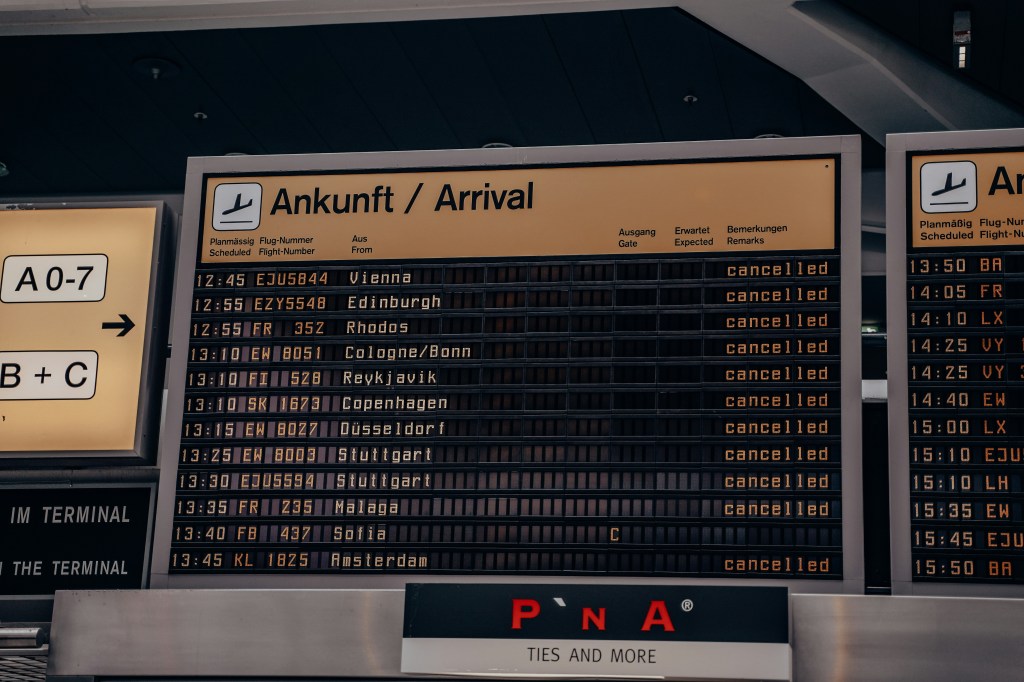
What If My Flight Gets Delayed or Canceled?
Flight delays and cancellations are among the most common travel disruptions. Weather, mechanical issues, staffing shortages, and airline scheduling problems can all affect your departure or arrival time.
If your flight is delayed or canceled, the first thing you should do is contact your airline. Most airlines have customer service representatives available at the airport, through their mobile apps, or over the phone. Depending on the circumstances, the airline may be able to rebook you on another flight, offer alternative routing, or provide other assistance.
If you booked your trip through a travel agent, reach out to them as well. Your agent can help you understand your options, coordinate with the airline when possible, and work through how the disruption may affect the rest of your itinerary.
This is especially important if you have connecting flights, prepaid hotel reservations, scheduled excursions, or a cruise departure to catch. A delay that seems relatively minor at first can create a domino effect throughout your vacation.
Keep in mind that airline compensation and assistance policies vary depending on the airline, the reason for the disruption, and the country where your trip originates or takes place. A travel agent can help you navigate the situation, but the airline remains responsible for its own flight operations and applicable obligations.

What If My Luggage Gets Lost or Delayed?
Few things are more frustrating than arriving at your destination only to discover your luggage didn’t make it with you.
If your checked baggage is missing, report it to the airline’s baggage service office before leaving the airport. Make sure you receive a reference or tracking number and provide accurate contact information so the airline can reach you when your luggage is located.
Here are a few additional tips:
- Keep your baggage claim tickets until your luggage has been returned.
- Take pictures of your suitcase before traveling.
- Pack medications, important documents, valuables, and essential items in your carry-on.
- Keep receipts for necessary purchases if you need to buy clothing or toiletries while waiting for your luggage.
- Check your travel insurance policy to see whether delayed or lost baggage expenses are covered.
Your travel agent can help you understand whom to contact and whether your travel insurance may provide reimbursement for eligible expenses.
A little preparation before departure can also make this situation easier. Packing a change of clothes and basic necessities in your carry-on can make a big difference if your checked luggage takes an extra day or two to arrive.
What If I Miss My Connecting Flight?
Missing a connecting flight can be stressful, particularly when you are traveling internationally or have a tight connection.
If your first flight is delayed and you miss a connecting flight on the same ticket, the airline will generally assist with rebooking according to its policies and applicable regulations. However, if you booked separate tickets with different airlines, the situation can become more complicated.
You may be responsible for purchasing a new ticket if the second airline considers you a no-show.
This is one reason experienced travel agents often recommend allowing enough time between connections, especially when traveling internationally or checking luggage.
If you find yourself in this situation, contact the airline immediately. Your travel agent can also help review your itinerary and determine what other arrangements may need to change.
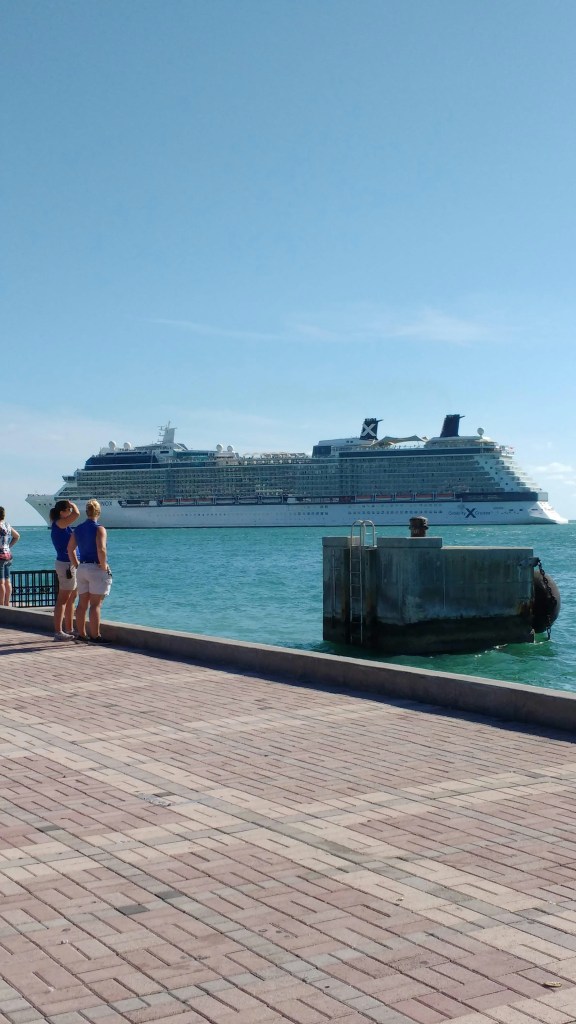
What If I Miss My Cruise Departure?
Missing your cruise departure is one of the most stressful travel problems a cruise passenger can experience.
Cruise ships operate on strict schedules, and they generally cannot wait for passengers who arrive late. If you miss the ship because your independently arranged flight was delayed, you may have to make arrangements and pay for transportation to meet the ship at another port, if that is possible.
Some cruise lines offer assistance or protection when passengers book qualifying air arrangements through their cruise air programs, but the terms and coverage vary.
To reduce your chances of missing your cruise:
- Arrive at your departure city at least one day before your cruise whenever possible.
- Consider booking flights through your cruise line or a travel agent familiar with cruise travel.
- Avoid scheduling flights that arrive just a few hours before embarkation.
- Purchase travel insurance that may cover eligible missed-connection or travel-delay expenses.
- Keep your cruise documents and emergency contact information accessible.
If something happens and you cannot make it to the ship, contact your travel agent and cruise line immediately. Your agent can help you understand your options and determine whether meeting the ship at another port is possible.
What If Something Goes Wrong at My Hotel or Resort?
Sometimes the unexpected happens after you have already arrived at your destination.
Maybe your hotel room isn’t what you expected, your reservation cannot be located, the resort is overbooked, or an important amenity is unavailable.
Your first step should be to speak with the hotel’s front desk or management team. Explain the issue clearly and politely, and give the property an opportunity to resolve it.
If the problem isn’t addressed, document what happened. Take pictures when appropriate, save receipts, and keep copies of any written communication.
This is another situation where having a travel agent can be helpful. Your agent may be able to contact the hotel, resort, or supplier representative to help communicate your concerns and request a reasonable resolution.
While a travel agent cannot guarantee that a hotel will provide a particular room or refund, having someone familiar with the travel supplier and booking details can make the process easier.
What If I Get Sick or Have a Medical Emergency While Traveling?
Getting sick while on vacation is never part of the plan, but medical emergencies can happen anywhere.
Before traveling, research the medical facilities available at your destination and understand how your health insurance works outside your home country. Many domestic health insurance plans offer limited or no international coverage.
Travel medical insurance can be especially valuable when traveling internationally. Depending on the policy, it may cover eligible emergency medical expenses, hospital stays, emergency transportation, and medical evacuation.
If you experience a medical emergency, seek appropriate medical attention immediately. Contact your insurance provider’s emergency assistance number as soon as practical so they can explain covered services and help coordinate care.
If you are traveling with a group or family, make sure someone has access to important medical information, emergency contacts, and insurance documents.
Your travel agent can help you locate the appropriate travel insurance information and contact the necessary travel suppliers if your medical situation requires changes to your itinerary.

What If Severe Weather or a Natural Disaster Disrupts My Vacation?
Hurricanes, snowstorms, wildfires, earthquakes, and other natural disasters can affect travel plans with little warning.
Depending on the situation, flights may be canceled, cruise itineraries may change, resorts may temporarily close, or transportation may become unavailable.
If severe weather affects your trip, prioritize your safety and follow instructions from local authorities, airlines, cruise lines, and hotel management.
Your travel agent can help communicate with suppliers, review possible itinerary changes, and determine what options are available for rebooking or canceling.
It is important to understand that weather-related disruptions do not automatically guarantee a refund. Your rights and options depend on the supplier’s policies, applicable regulations, and the terms of your travel insurance.
For example, a cruise line may change ports of call or substitute destinations because of weather conditions. While this can be disappointing, itinerary changes are sometimes necessary to protect passengers and crew.
Why Travel Insurance Is So Important
If there is one thing travelers should consider before leaving home, it is travel insurance.
Many people assume their regular health insurance, credit card benefits, or airline policies will cover unexpected travel expenses. Unfortunately, that isn’t always the case.
Travel insurance can offer protection against certain unexpected situations, depending on the policy selected.
Common coverage options include:
- Trip cancellation: Reimbursement for eligible prepaid, nonrefundable expenses when a covered reason forces you to cancel before departure.
- Trip interruption: Coverage for certain unused trip expenses and additional transportation costs if a covered event forces you to end your trip early.
- Travel delays: Reimbursement for eligible meals, accommodations, and other expenses when a covered delay occurs.
- Emergency medical expenses: Coverage for qualifying medical treatment while traveling.
- Emergency medical evacuation: Assistance and coverage for eligible transportation to an appropriate medical facility.
- Baggage protection: Coverage for certain lost, stolen, damaged, or delayed baggage expenses.
Not every policy covers every situation. Preexisting medical conditions, supplier financial defaults, weather events, and other circumstances may have specific exclusions or requirements.
The best time to purchase travel insurance is typically shortly after making your initial trip deposit, especially if you want access to time-sensitive benefits that may be included in certain policies.
Your travel agent can help you compare available options and understand what protection makes sense for your vacation.
How Does a Travel Agent Help When Something Goes Wrong?
One of the most valuable reasons to work with a travel agent is having someone to contact when unexpected situations arise.
When you book everything yourself, you are generally responsible for contacting airlines, hotels, cruise lines, tour operators, and insurance companies individually. That can become overwhelming when you are dealing with multiple disruptions at once.
When you work with a travel agent, you have a professional who understands your itinerary and can help you determine which suppliers need to be contacted.
Depending on the situation, your travel agent may be able to:
- Help you contact airlines, hotels, cruise lines, and tour operators.
- Assist with finding alternative flights or accommodations.
- Help coordinate changes to your travel itinerary.
- Explain supplier cancellation and rebooking policies.
- Provide guidance on filing travel insurance claims.
- Help communicate with travel suppliers when reservations or services are not as expected.
- Offer support and guidance when unexpected situations arise.
It is important to remember that travel agents cannot control the weather, guarantee airline availability, override supplier policies, or resolve every issue immediately. They also may not be able to assist with changes made directly through a supplier without their involvement.
However, having someone familiar with your vacation who can help you navigate the situation can be incredibly reassuring.
Instead of spending your vacation trying to figure out whom to call and what to do next, you have someone who can help point you in the right direction.

How Can I Prepare for the Unexpected Before My Trip?
While nobody can prevent every travel problem, there are several things you can do before departure to make unexpected situations easier to manage.
1. Keep digital and printed copies of important documents.
Save copies of your passport, travel insurance information, hotel confirmations, flight details, cruise documents, and emergency contacts. Keep them somewhere accessible in case your phone battery dies or you lose access to your email.
2. Purchase appropriate travel insurance.
Review your coverage before departure and make sure you understand what is included, what is excluded, and how to contact the assistance provider.
3. Download airline and cruise line apps.
These apps can provide important updates about flight delays, gate changes, itinerary adjustments, and other travel announcements.
4. Keep emergency funds available.
Having access to an emergency credit card or additional funds can help cover unexpected expenses while waiting for a resolution or insurance reimbursement.
5. Share your itinerary with someone at home.
Make sure a trusted family member or friend knows where you are staying and how to reach you in an emergency.
6. Save your travel agent’s contact information.
Before leaving, make sure you know how to reach your travel agent and understand their availability and emergency support procedures.
Travel With Confidence, Even When Things Don’t Go According to Plan
No matter how carefully you plan your vacation, unexpected situations can happen. Flights may be delayed, luggage may go missing, weather may change your itinerary, or an illness may interrupt your plans.
The good news is that you don’t have to navigate every travel problem alone.
Working with a travel agent gives you an experienced resource who can help you understand your options, communicate with travel suppliers, and work through unexpected challenges. Combine that support with appropriate travel insurance and a little preparation, and you can travel with greater confidence knowing you have a plan if something goes wrong.
At Cruise Planners—Cruises to Resorts, we believe your vacation should be about enjoying the experience, making memories, and exploring the world—not spending your valuable time trying to solve travel problems.
When you work with a travel professional, you gain more than help booking flights, hotels, and cruises. You gain a knowledgeable partner who can help you prepare for the unexpected and guide you when plans need to change.
Ready to plan your next getaway? Let Cruise Planners—Cruises to Resorts help you plan your vacation, prepare for the unexpected, and travel with confidence!


Leave a Reply